Can Tariff Cuts And Mass Discounts Lower Holiday Grocery Bills?

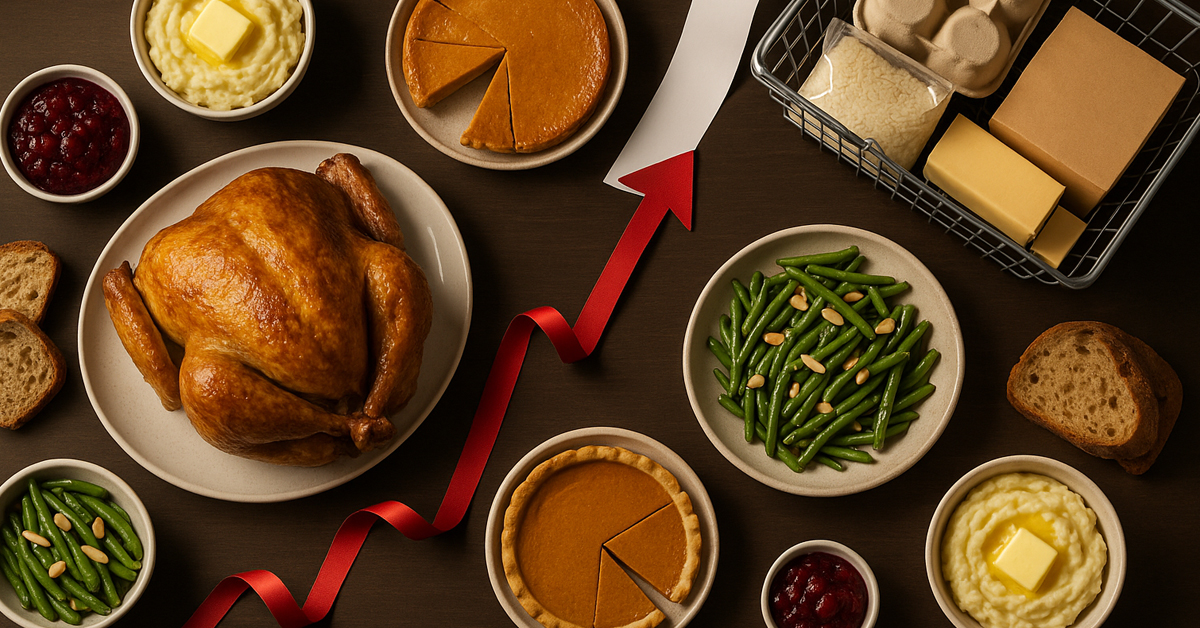
While the Trump administration continues to hold back federal economic data (like the Consumer Price Index from the Bureau of Labor and Statistics), private data trackers and retailer pricing actions are painting a clear picture of the direction consumer spending is heading as the holidays quickly approach.
Although the White House claims that food prices are “trending in the right direction,” with declines among staple products like eggs, butter, fresh fruit, cereal, rice and pasta, reports from Circana and Numerator indicate that prices are a bit stickier. The cost of everyday essentials rose 2.68% YoY in October, per Numerator.
Walmart and Target are catering to consumers with price cuts across store categories to ease that mounting pressure. This morning, Target posted Q3 sales declines, primarily in discretionary spending categories. Food and beverage remained a bright spot as the retailer reported comparable sales growth even as prices remain elevated.
“Guests are choiceful, stretching budgets and prioritizing value. They’re spending where it matters most, especially in food,” said Target COO Michael Fiddelke in a prepared statement.
But as Thanksgiving meal-planning takes center-stage in the coming week, consumers plan to spend 0.6% more on their feasts than last year, according to a Deloitte holiday report. Among those surveyed, 48% said they plan to ask guests to bring something to offset expenses.
Nearly half of respondents said they would consider “expense-saving offerings,” like private label products, even more this year.
To combat the growing rancor over food prices, the Trump Administration announced it was rolling back reciprocal tariffs on select imported food products like coffee, cocoa, beef, tropical fruits and spices.
This might come as an additional relief as consumers prepare for holiday celebrations. Overall, consumers said they are optimistic despite the impact of tariffs, according to Numerator’s Q4 Holiday Preview.
- Only 8% of consumers said tariff-related impacts will change their shopping habits completely leading into next week’s Thanksgiving celebration.
- Nearly a third (29%) of consumers surveyed anticipate spending more than last year with over half (54%) expecting to spend the same.
Forecasts might be mixed for, but consumable sales remain strong.
Pulling from Circana’s October retail data, food and beverage sales revenue was up 3%, and unit sales were up 1%. As a whole, U.S. retail sales revenue was up 2% with unit demand flat last month. Grocery and beverage store sales in October were up 0.59% month-over-month, seasonally adjusted, and up 4.08% year-over-year unadjusted, according to the National Retail Federation.