CPG Week: Walmart MAHAs Private Label. Plus, A Plant-Based Player Scores Some Cheddar
Episode 143
In this episode:
In this episode:
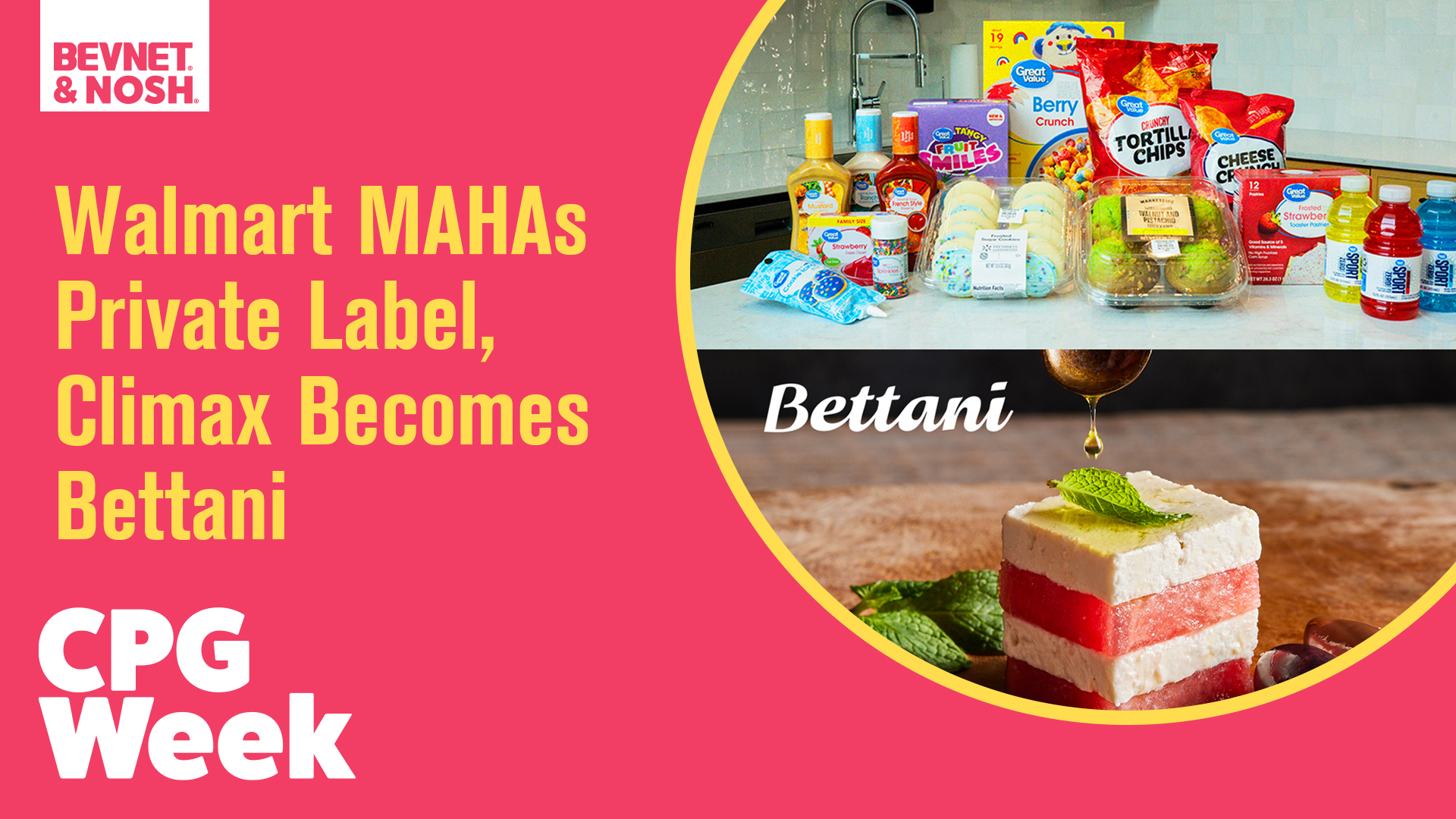
This week on the podcast, Nosh managing editor Monica Watrous and senior reporter Lukas Southard dig into Walmart’s decision to remove synthetic dyes from its store-branded products. The team goes on to discuss how certain brands are repositioning in the plant-based cheese category, the abrupt closure of Nor-Cal Beverage and the data behind the high-protein craze.
Show Highlights:
0:15 – Walmart has announced it will remove all synthetic dyes from its many private-label brands. Monica explains why Walmart’s move aligns with how other big food companies are responding to calls for food ingredient transparency.
3:05 – Plant-based cheese ingredient provider Climax Foods has rebranded to Bettani Farms after raising $6.5 million in a Series A round. Along with its new name, Bettani Farms has appointed former Califia Farms CFO Sandeep Patel to lead the food tech company as it prepares for its next stage of growth.
4:45 – Unexpectedly, Manna Beverages shut down its California-based co-manufacturer, Nor-Cal Beverage. The sudden closure comes after rumors earlier this summer that Manna was seeking to divest the drink producer it acquired in 2023.
7:00 – It’s no secret that protein is all the rage in food and beverage. Monica and Lukas chat about a pair of exclusive Brightfield Group reports on the category for BevNET and Nosh.
About CPG Week
CPG Week is the podcast that explores the latest happenings in the consumer packaged goods industry. Join our seasoned reporting team as they dish out the week’s stories in quick, easy-to-digest episodes. Catch up on the top headlines of the week, dive into exclusive insights with the BevNET and Nosh teams, and set yourself up to make more informed business decisions. Tune in to stay up-to-date on the latest developments in the dynamic world of packaged food and beverage.
New episodes are released every week. Send us comments and suggestions anytime to cpgweek@nosh.com.
Show Highlights:
This week on the podcast, Nosh managing editor Monica Watrous and senior reporter Lukas Southard dig into Walmart’s decision to remove synthetic dyes from its store-branded products. The team goes on to discuss how certain brands are repositioning in the plant-based cheese category, the abrupt closure of Nor-Cal Beverage and the data behind the high-protein craze.
Episode Transcript
Note: Transcripts are automatically generated and may contain inaccuracies and spelling errors.
[00:00:05] Monica Watrous: Welcome to the CPG Week podcast by BevNET and Nosh. I'm Monica Watrous. Here is my co-host, Lukas Southard. Now, here is the latest in food and beverage industry news. Walmart US said it will remove synthetic dyes alongside certain preservatives, artificial sweeteners, and fat substitutes from its private brand food products by 2027. Those include Great Value, Market Side, Freshness Guaranteed, and Better Goods labels. And the products span sugar cookies, salad dressings, breakfast cereals, toasters, pastries, sports drinks, and more. Walmart says that 90% of its private brand's foods already are free from synthetic dyes. And the retailer said it is partnering with its suppliers to update recipes and source alternative ingredients to execute what it describes as, quote, one of the largest private brand reformulations in retail history. The products will begin rolling out to shelves over the coming months. Why is Walmart doing this? According to survey results, 54% of Walmart shoppers say they review food ingredients and 62% say they want more transparency. In recent months, some of the largest food manufacturers have committed to removing synthetic colors from formulations amid increased pressure from the federal government as well as growing traction on food issues at large in state legislatures around the country. Nestle, PepsiCo, ConAgra Brands, J.M. Smucker, General Mills, and others have promised to ditch fake dyes. Walmart's latest move follows its pledge earlier this year to eliminate dozens of ingredients, including high fructose corn syrup, artificial colors, and aspartame from its members mark food and beverage products that are sold at Sam's Club. The big box chain claims quality and taste will remain the same in its reformulated products, as well as emphasizing its commitment to offering private brand products at quote, affordable prices.
[00:02:04] Lukas Southard: I was already mentally preparing for my morning Froot Loops and my Flamin' Hot Cheetos to be less colorful, but I wasn't even thinking about the store brand sour rings or all the other private label products that we have in our pantries.
[00:02:18] Monica Watrous: Yeah, in addition to the synthetic dyes, Walmart is eliminating 30 additional additives that range from titanium dioxide to lye, to calcium bromate, a lot of other things that I don't think we really want in our food. But
[00:02:36] Lukas Southard: Speak for yourself. I love lye and titanium dioxide in all of my meals.
[00:02:43] Monica Watrous: But I will be curious to see whether the retailer indeed does raise prices. A lot of these ingredients that they are switching to higher quality ingredients are going to cost more money. And I don't know if Walmart plans to pass some of those costs to their consumers, hopefully not, but it won't be a cheap transition.
[00:03:05] Lukas Southard: Earlier this week, news broke that plant-based cheese ingredient provider Climax Foods has rebranded itself as Batani Farms. Paired with its new brand name, Batani Farms has secured $6.5 million in an initial close of a Series A funding round led by existing investor S2G Ventures. Additionally, Batani Farms has appointed former Calafia Farms CFO, Sandeep Patel, as its CEO, along with a couple of new executives in sales and operational roles. Founded in 2019, the company formerly known as Climax Foods makes Casid, a proprietary protein used in the production of dairy-free cheese alternatives. The protein mimics the stretch, mouthfeel, and meltability of casein that is found in dairy cheese. Climax, now Batani, has marketed caseid as an allergen-free alternative to other dairy-free options that use tree nuts or fermentation techniques to produce. The announcement comes just two months after some other notable news in the plant-based cheese category. In April, French conglomerate The Bell Group reported it was winding down its plant-based brand, Nourish, which it had acquired in the 2020 acquisition of All In Food. In August, family-owned Schumann Cheese, which operates the vegan brand Vivant, announced it was partnering with GoodPlanet on a joint venture to scale the two dairy-free brands, both in retail and in food service.
[00:04:45] Monica Watrous: Elsewhere in California, drinks manufacturer Manna Beverages has shuttered operations and terminated all employees across two production sites, citing underperformance and mounting debts, according to media reports. Members of Nor-Cal Beverage Employees Union, representing more than 400 workers at two production sites in Anaheim and West Sacramento, were informed in a letter Thursday night not to come to work on Friday. Founded in 1937, Nor-Cal Beverage evolved into one of the largest independent drink manufacturers on the West Coast, specializing in teas, chilled juices, water, and energy drinks. Its business also included warehousing and logistics, as well as specialized equipment services. The family-run operation was sold in 2023 to Mana Beverages and Ventures, an affiliate of Mana Capital Partners, which is an investment firm founded by former NBA star and businessman Ulysses L. Jr. Bridgerman and investor Kevin Atkinson.
[00:05:49] Lukas Southard: Obviously, there's still a lot of unknowns in this sudden closure, but for context, NorCal was built over four generations and has been part of many recognizable drink brands. on the West Coast for many years. That being said, rumors began to swirl in August that Mano was shopping NorCal around. but the outright shuttering of the business and the two production plants was quite unexpected. BevNET will continue to cover this news and how it will potentially impact other aspects of West Coast beverage co-manufacturing and including potential spilloffs into other service providers like flavor houses and distributors who rely on companies like NorCal for business.
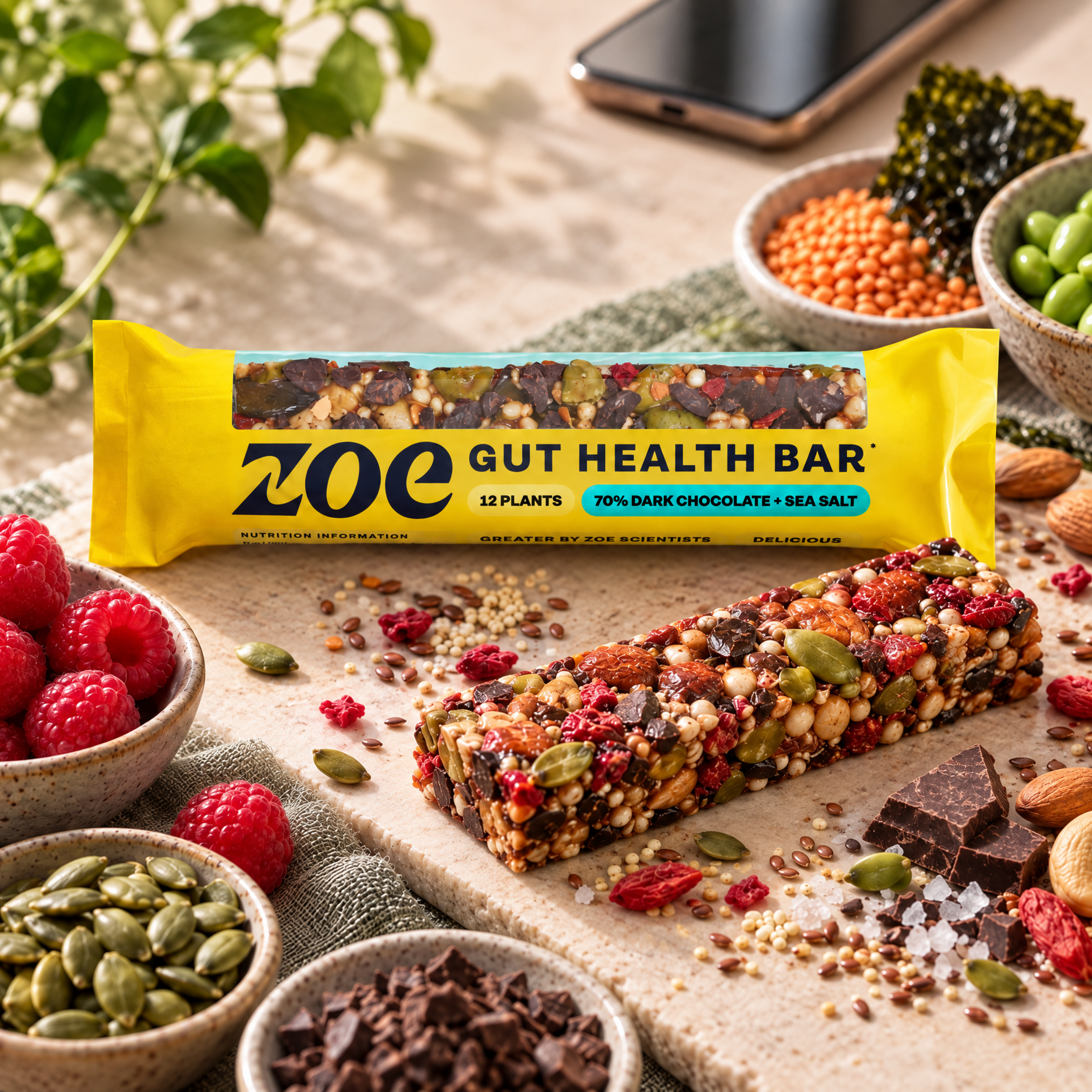
[00:06:36] Monica Watrous: On a lighter note, this week we posted a pair of exclusive reports on BevNET and Nosh that were developed by Brightfield Group examining the protein trend across food and beverage categories. A lot of the demand for high-protein snacks stems from not just fitness, but also hormonal health and life stage needs. A high volume of social conversations about high-protein claims is linked to GLP-1 medications, with mentions of Monjaro, Ozempic, and Wigovi posting explosive growth. Brightfield also tracked a notable amount of chatter around snacking cheese, protein cookies, and energy snacks as popular sources of high-protein snacking. And recently, we've seen a number of snack launches calling out protein, including new protein bars from Ghost and Junkless, as well as high-protein, uncrustable sandwiches.
[00:07:28] Lukas Southard: Yeah, obviously this is not new news for us. We've been talking at length about the high protein trend across categories, both in beverage as well as in snacks. One thing that I found interesting in looking through these reports was on the beverage side, I saw that Brightfield Group had tracked how high protein was finding its way into categories that we might not have expected to be in even a couple of years ago. So they shouted out to matcha tea and latte powders, which we have seen an uptick in protein being part of those formulations. Brightfield also pointed to the sports drink category, which is a well-established set that is pretty much known for hydration and post-workout. But as you might expect, protein is something that people are looking for after they do fitness or exercise and brands like Gatorade are getting into the protein game.
[00:08:27] Monica Watrous: At this point, what brand is not getting into the protein game?
[00:08:31] Lukas Southard: I mean, if we have Uncrustables then, uh, with high protein, then I think it's really. It's anything goes. Wasn't there a mashed potato brand that was doing protein too?
[00:08:41] Monica Watrous: Yeah, Idahoan. Idahoan.
[00:08:44] Lukas Southard: Idahoan potatoes.
[00:08:46] Monica Watrous: Idahoan. Idahoan. Idahoan. Why does that sound weird?
[00:08:53] Lukas Southard: Outside of all of the insights about how high protein is making its way into beverages and snack foods, One thing that stood out to me as well in bright fields reports was the high incidence of creatine that's showing up in social conversations. This is something I've been tracking, especially on the beverage side. And I might even be working on a feature about creatine in beverages. So stay tuned to that. And if you want to learn more about brightfield groups reports on the impact of protein in snacks and beverage, go to BevNET or Nosh.
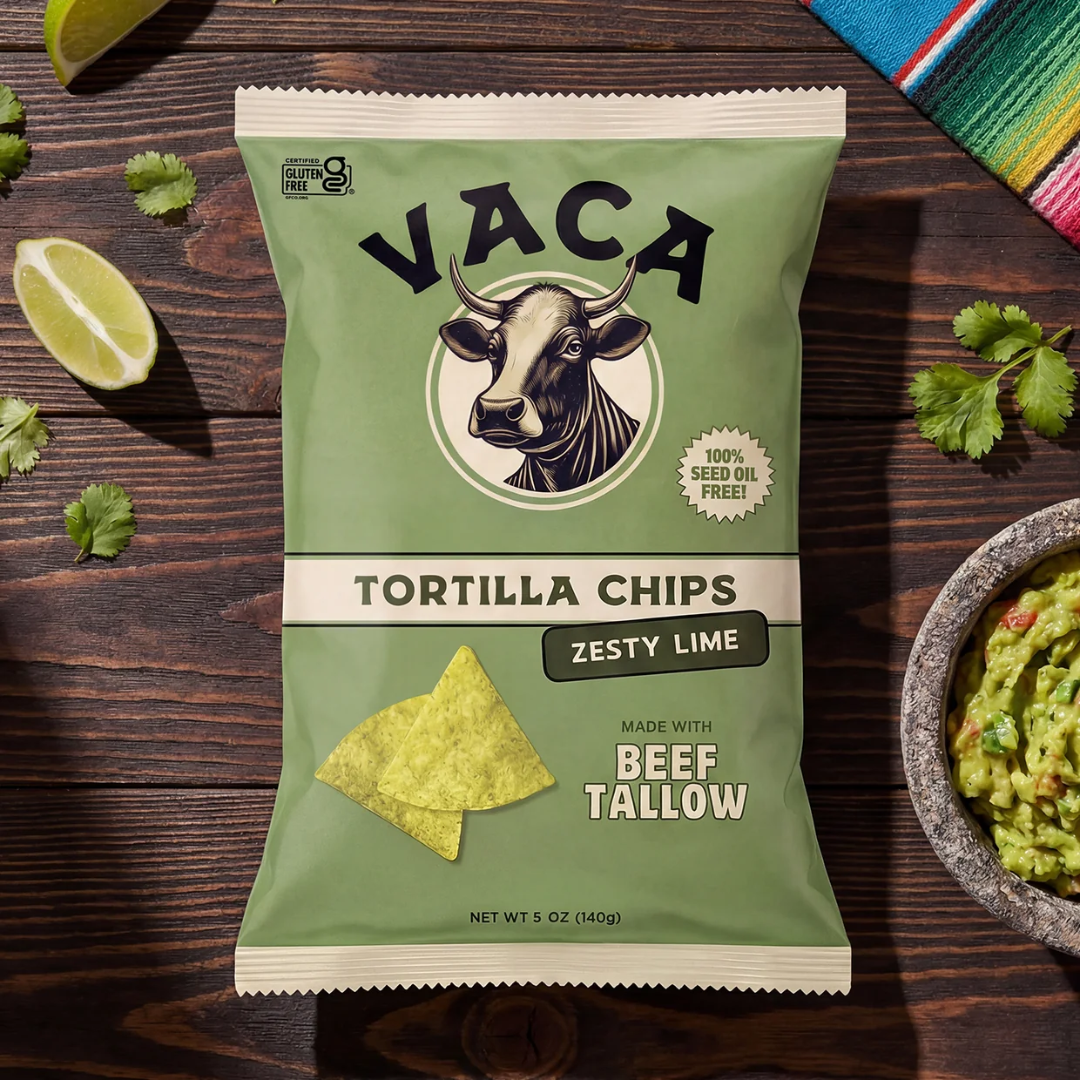
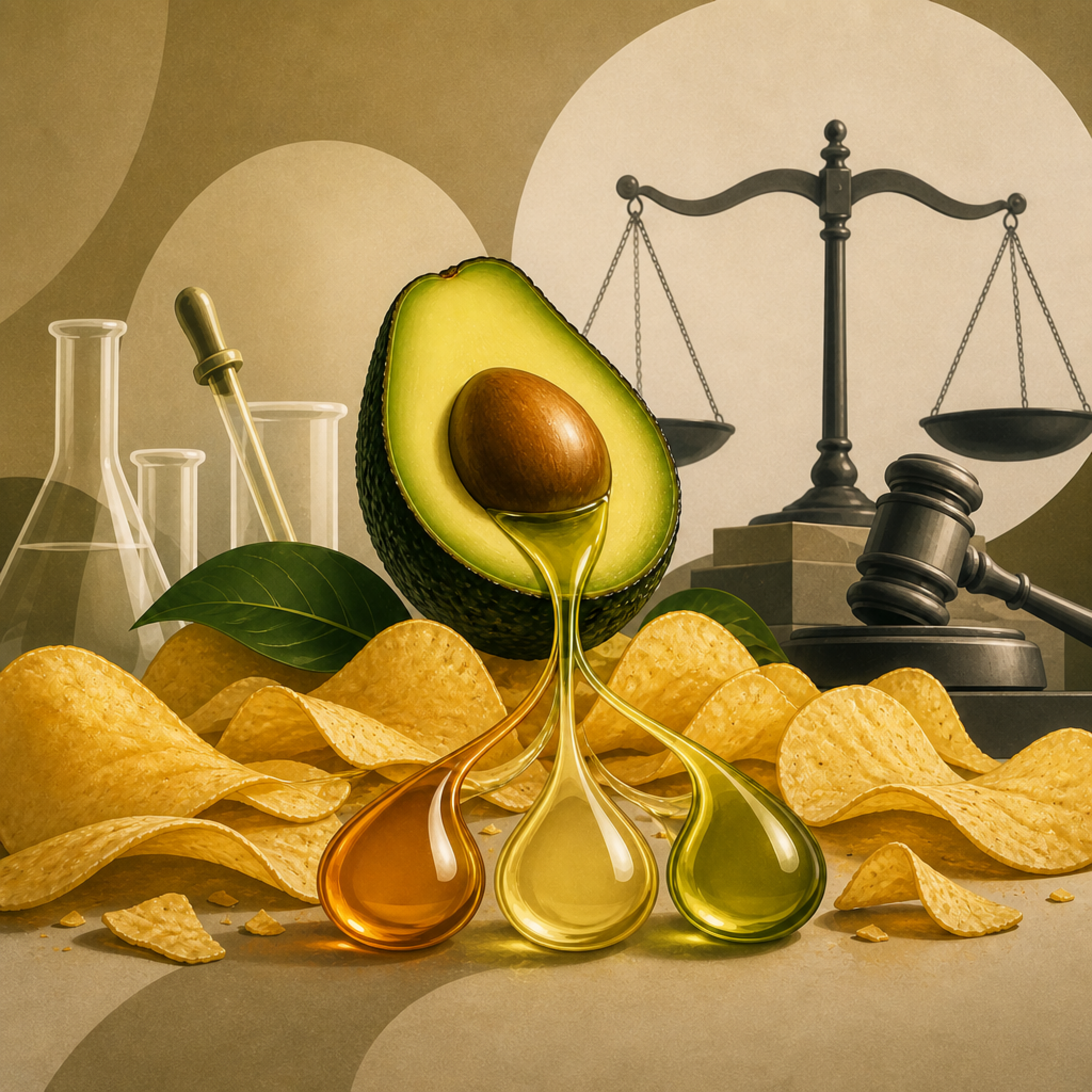
[00:09:32] Monica Watrous: Here are some other notable bits of news from the week. Pipcorn has rebranded to Pip's Heirloom Snacks as it transitions its portfolio from seed oils to avocado oil. Liquid Death has entered an exclusive long-term distribution agreement with New York Metro area based Big Geyser. And finally, Magnolia Table is stepping beyond its restaurant roots and into the world of packaged food with a frozen baked goods collection exclusively available at Target. For these stories and more, become an insider at BevNET and Nosh. And if you're enjoying the show, please subscribe on your listening platform of choice. That wraps up this edition of CPG Week by BevNET and Nosh. Thank you to our audio engineer, Joshua Pratt, our director is Mike Schneider, and our designer is Erin Willett. If you enjoyed the podcast, please subscribe on your listening platform of choice, and we will see you next time.
About CPG Week
CPG Week is the podcast that explores the latest happenings in the consumer packaged goods industry. Join our seasoned reporting team as they dish out the week’s stories in quick, easy-to-digest episodes. Catch up on the top headlines of the week, dive into exclusive insights with the BevNET and Nosh teams, and set yourself up to make more informed business decisions. Tune in to stay up-to-date on the latest developments in the dynamic world of packaged food and beverage.
New episodes are released every week. Send us comments and suggestions anytime to cpgweek@nosh.com.
Stay Informed, Stay Competitive
Unlock the articles, expert interviews, and data reports that power the food and beverage industry. Join our community and stay ahead with exclusive insights from BevNET and Nosh.