CPG Week: 2024 Trends & New Year Predictions
Episode 103
In this episode:
In this episode:
In this episode, the CPG Week team goes back through some of the trends they tracked in 2024 while looking ahead to predictions and issues to watch in the new year.
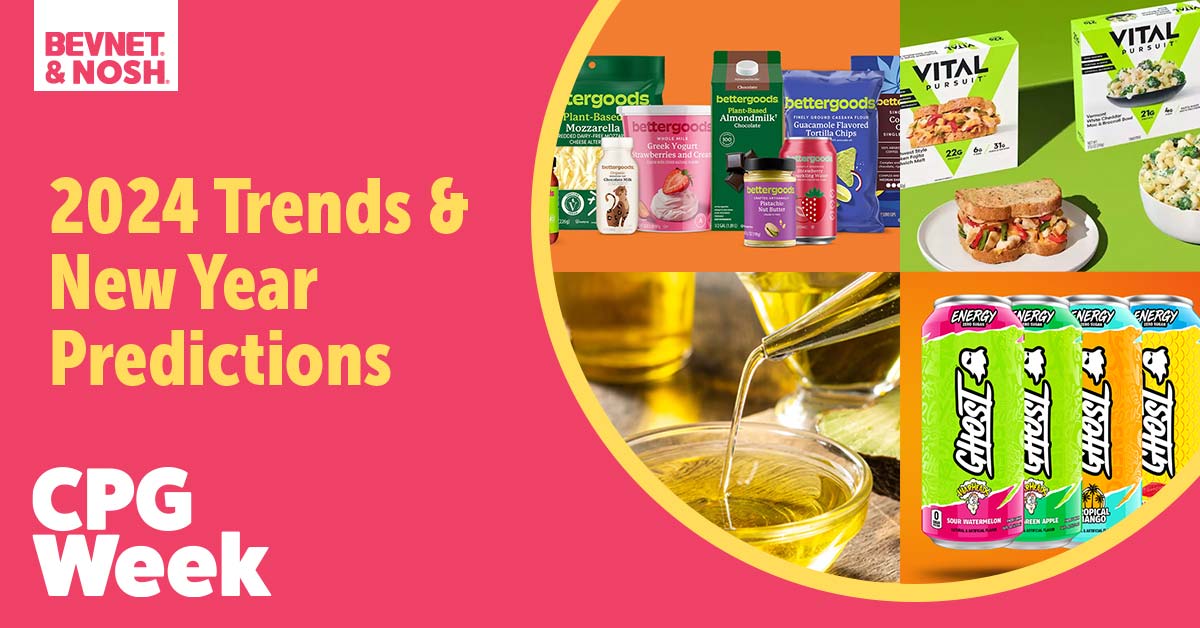
Kicking off a discussion on 2024 trends, senior reporter Brad Avery starts with an update on the energy drink category and its evolution over the past year. Nosh managing editor Monica Watrous explains how consumer interest in GLP-1 drugs has impacted food and beverage. Senior reporter Lukas Southard talks private label prioritization and how it relates to inflation.
The team goes on to look ahead with predictions about 2025 trends to watch, including an emphasis on seed oil-free products, consolidation, and the impact of tariffs and inflation on the CPG industry.
Show Highlights:
0:30 – Energy drinks continue to dominate the beverage category with renewed strength behind women-positioned options. This time last year, big CPG companies were wringing their hands over the impact of GLP-1 drugs like Ozempic or Wegovy, but 2024 brought a slew of brands positioned toward the opportunity in the weight-loss consumer group.
4:00 – Whether it’s Walmart’s bettergoods or Amazon Saver, private label is on the rise with no sign of slowing. The team discusses how retailers like CVS are bringing new energy with its new Well Market store brand and what it means long term for retail.
6:45 – It’s often difficult to make bold predictions for the coming year, but the CPG Week hosts discuss how a minor trend like no seed oils might bubble up in 2025 and how it aligns with a growing rancor about ultra-processed foods.
9:00 – The group also predicts a continuation of the M&A activity witnessed in 2024, how potential tariffs and inflation could impact the industry, and why Monica is calling 2025 the Year of Ranch.
About CPG Week
CPG Week is the podcast that explores the latest happenings in the consumer packaged goods industry. Join our seasoned reporting team as they dish out the week’s stories in quick, easy-to-digest episodes. Catch up on the top headlines of the week, dive into exclusive insights with the BevNET and Nosh teams, and set yourself up to make more informed business decisions. Tune in to stay up-to-date on the latest developments in the dynamic world of packaged food and beverage.
New episodes are released every week. Send us comments and suggestions anytime to cpgweek@nosh.com.
Show Highlights:
In this episode, the CPG Week team goes back through some of the trends they tracked in 2024 while looking ahead to predictions and issues to watch in the new year.
Episode Transcript
Note: Transcripts are automatically generated and may contain inaccuracies and spelling errors.
[00:00:05] Monica Watrous: Welcome to the CPG Week podcast by BevNET and Nosh, your source for the latest food and beverage industry news. I'm Monica Watrous, Managing Editor of Nosh, here with my co-hosts, Brad Avery and Lukas Southard. If you're enjoying the show, please subscribe on your listening platform of choice. On the podcast today, we're discussing the year in review and the top trend predictions of 2025. First, let's take a look back at the trends of 2024. Brad, what jumped out to you as the biggest trend of the year?
[00:00:38] Brad Avery: The biggest trend of the year, it's hard to just say there's one, but as far as mega trends go, on the beverage side, it's absolutely the continued evolution of energy drinks. Now, growth plateaued a bit this year for energy because we were lapping years of strong double-digit hockey stick style growth, but it's still elevated and strong as far as this category has really, if it was already mainstream, it's now found a new home with a lot more women in the category, Celsius and brands like Alani as well, and C4 and others doing more to appeal to female consumers. That has really opened the door for this space to continue innovating, evolving, and maintaining its dominance in non-alcoholic CPG.
[00:01:30] Monica Watrous: That's a good one. I think one of the trends that stand out to me across food and beverage is the evolution and continuation of GLP-1s in the public discourse, as well as influencing marketing and new product development. especially among some of the large strategics. We've seen Nestle getting into this space in a really big way with its launch of Vital Pursuit, which is a frozen food brand that is tailored to users of GLP-1 drugs like Ozempic, Manjaro, Wigovi, and the like for weight management purposes. And then earlier this month, we saw that ConAgra Brands has announced a new label for some of its products, including Healthy Choice Meals, that simply say on track and signify that they are GLP-1 friendly products.
[00:02:21] Brad Avery: This time last year, we were seeing this start ramping up more and everyone was kind of freaking out a little bit about what this meant. People thought it might be an existential crisis, like no one's going to snack anymore. No one's going to eat food anymore. We're evolving fast in need for food. And obviously now we have a better understanding of what this is actually going to look like, or at least we have some data that shows where the trends are going.
[00:02:47] Lukas Southard: People are still buying groceries. People are still buying snacks. They are changing their habits in certain ways. But there's also a lot of opportunity that I think, as you said, Monica, companies like ConAgra are leaning into and saying, hey, like if people are on these drugs, they still got to eat and they're going to be looking for a very specific type of product and they're going to be seeking those out. So let's cater to this this growing consumer base.
[00:03:12] Monica Watrous: Yeah, and I think it's important to remember that it's only about 3 to 5% of the population who is currently taking or has taken a GLP-1 drug for weight loss and weight management. And so it's not a lot of people in the scheme of things, but there's a halo effect. So people who see the words GLP-1 or Ozempic, but are interested in losing weight, whether they're on the drug or not, might still kind of glom onto these types of products. It'll be interesting to see how food and beverage brands continue to respond to the increased interest in GLP-1s, as well as weight management, now that it's back in the conversation. Lucas, what trend did you follow this year?
[00:03:53] Lukas Southard: Well, I know we've talked about this quite a bit, but private label is everywhere. And a lot of the bigger retailers are jumping into it or putting a lot more money into it. This is driven by high inflation at grocery stores. And a lot of these retailers are going all in on that and really seeing the opportunity to expand their private label offerings and really cater to a a consumer that is much more price conscious than they were a couple of years ago.
[00:04:25] Monica Watrous: We've seen Walmart executives this year talking about it in earnings calls that they've seen higher income consumers trading down to shop at Walmart. And that's where they're meeting them with these premium offerings, more on trend versus off brand, as I like to say. And I think we will continue to see that across a number of mass market and conventional grocery chains in the year to come.
[00:04:53] Brad Avery: It's not just that we're seeing more retailers adopt private label for the first time or retailers revamping and rolling out new private label brands, replacing older versions. We're seeing them come with modernized branding, fresher looks and new product formats, on-trend products. Look at CVS's new Wellmarket brand, for example, which is going to be the main private label for them. They previously had Gold Emblem and Big Chill, which they are going to be phasing out. But this new Wellmarket line has turmeric curry trail mix, jalapeno-roasted in-shell pistachios, peanut butter and caramel probiotic-boosted popcorn. hitting these functional trends, these international flavors, these modern food products that you wouldn't normally see as a store brand before.
[00:05:43] Lukas Southard: A lot of these retailers are taking cues from, you know, a Trader Joe's or a Good & Gather, the Target private label brand. And these are retailers that have done private label really well and really, you know, expanded on those lines and found that this is a way to keep consumers coming back and increase margins in grocery, which can be tough, especially when inflation is making everything seem more expensive.
[00:06:09] Monica Watrous: That's a really good point that you hit on, Lucas, that in order to remain competitive in this industry, these grocery chains are offering products that you can only find in their stores and creating destinations versus something that you could pick up just about anywhere. So moving on to 2025, I suspect we will see a continuation of the trends we discussed, but there are other trends that have been bubbling up on the horizon that I think are going to really emerge in the coming year. Brad, what are the trends that you're looking at right now?
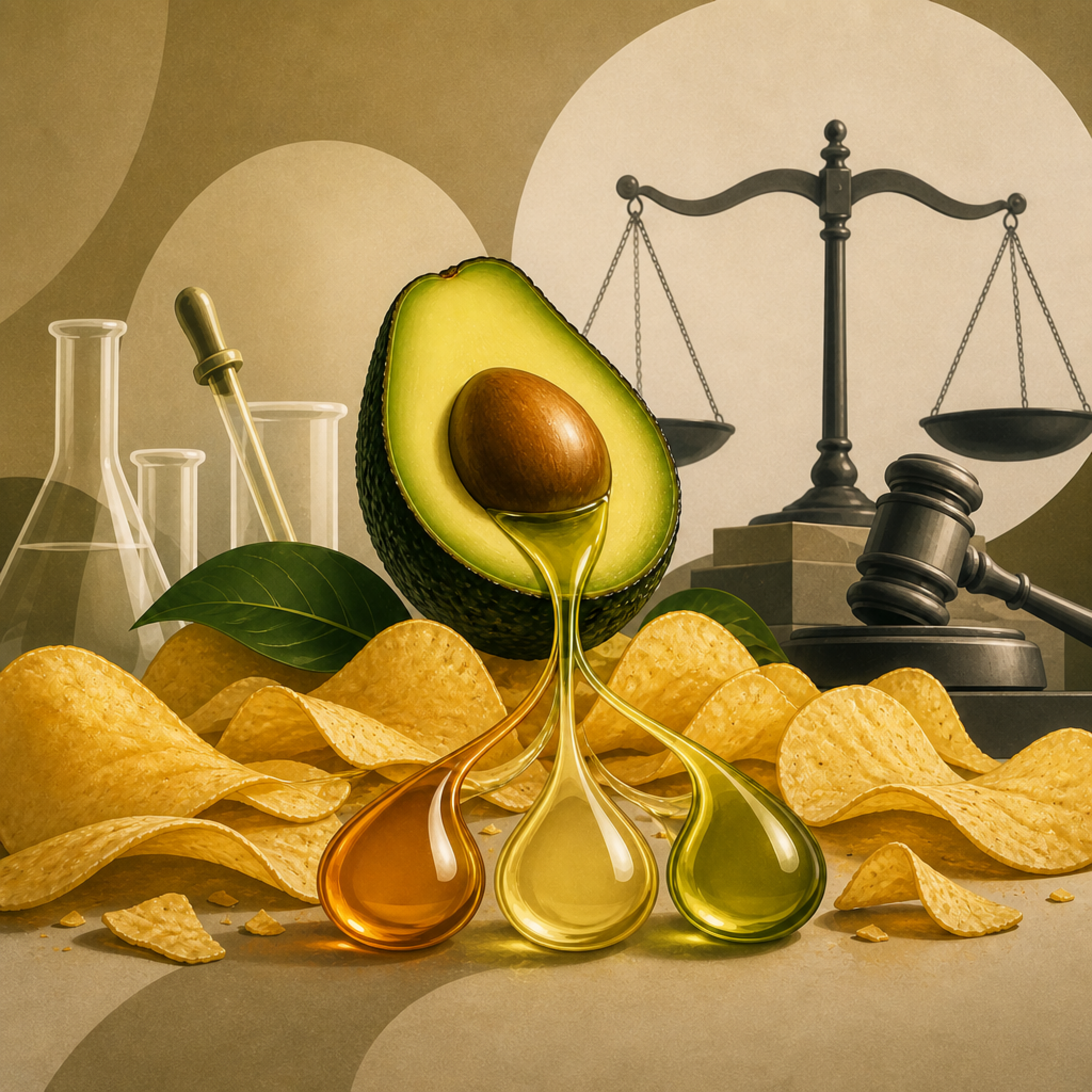
[00:06:44] Brad Avery: Well, I think we've definitely got to be looking at the seed oil conversation. The anti-seed oil movement started as a bit of a niche in the wellness influencer space and now is reaching a point of Robert F. Kennedy Jr., who may be leading HHS in a month or two, is saying that seed oils are one of the top targets. Brands are already calling out no seed oils in their labels. consumers are going to be reading ingredient panels and looking for products to see if they use these seed oils. So either way, I think we're going to most likely be seeing more companies lean into that more, whether it's reformulating to remove these oils, whether it's marketing around the fact that they don't use the oils.
[00:07:29] Monica Watrous: I think it's kind of dangerous for brands to market that their products don't contain seed oils or to reformulate to remove seed oils because you're creating or building on this fear-mongering that isn't really with merit. We see from a lot of credible science and research papers and health groups that there really is no reason to be scared of seed oils. In a lot of cases, seed oils are part of formulations of products that are perceived as ultra processed, which is a term that isn't exactly defined and also is associated with a lot of fear mongering, but consumers are seeking to avoid foods that are ultra processed. And so happens that a lot of those products contain seed oils.
[00:08:17] Brad Avery: These seed oils appear a lot in fast food, and there's a lot of reasons not to eat fast food. If you're eating a lot of McDonald's, it's going to have a health impact on you at the end of the day, and seed oils present or not present in the products is not the main culprit.
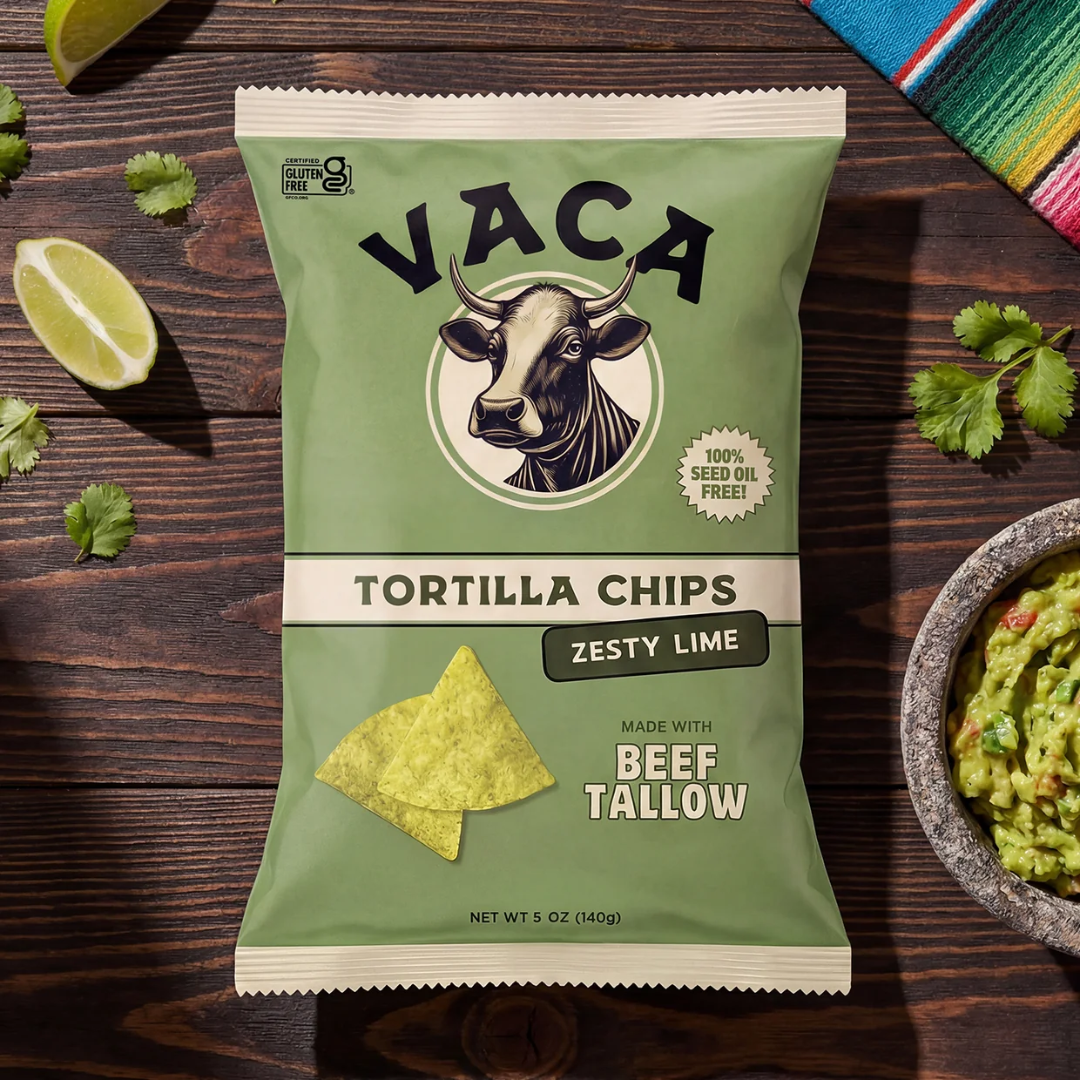
[00:08:31] Monica Watrous: We've seen a number of products this year touting the use of grass-fed beef tallow as an alternative fat source, and I am curious to see what other types of fats will win in this anti-seed oil environment. Certainly, avocado oil, olive oil, and coconut oil have been hero ingredients in these non-seed oil-containing products, but tallow seems to be an emerging ingredient, and I'm curious to see what other types of fats product developers are going to turn to.
[00:09:05] Brad Avery: Watch out, cows. I have a feeling that this topic may be controversial for some of our listeners. If this is something that you're passionate about, if it's something that you've been researching for a long time for your brand or brands you work with, let us know for sure.
[00:09:21] Monica Watrous: Lucas, what are some of the trends that you're watching in the year ahead?
[00:09:26] Lukas Southard: Well, I mean, there's two big things that come to mind. And again, we've talked about these at length, but one is consolidation in the current economic climate. There definitely seems to be an appetite for the bigger fish to eat the smaller fish and incorporate them in their portfolio. And I don't think that that's going to change. I think there's going to be more deals to come this coming year. And that'll be something that, of course, we will be tracking very closely.
[00:09:53] Monica Watrous: As part of that, we've seen a number of legacy companies that are streamlining their portfolios and selling off large assets to focus on their core. General Mills divested its yogurt business. Hain Celestial has offloaded a couple of snack brands. We're hearing that Unilever is looking to offload some food brands. And we're also seeing some really big legacy brands on the auction block. That includes Oscar Mayer, apparently Kraft Heinz is exploring a sale of, and B&G Foods is putting its green giant business under review. It'll be an interesting year for M&A, just seeing where some of these decades old brands find new homes.
[00:10:36] Lukas Southard: Definitely. The second thing that I'll be tracking is, you know, what role tariffs are going to play under the new Trump administration. There was a lot of rhetoric that went around during the election about tariffs and how that will impact CPG remains to be seen until those tariffs go into effect. But I know I talked to a bunch of people at both Nosh Live and Babnet Live about, hey, Are you preparing for this? Some of the sources I talked to were, you know, preparing for the worst without actually pulling the trigger on anything, but at least expecting the worst could happen in terms of how it might impact their supply chain, whereas others were kind of writing it off as just campaign rhetoric that probably won't come to pass. So it will be interesting to track.
[00:11:20] Brad Avery: We also have to see how inflation plays out as well. It's come down significantly, but that doesn't mean the prices aren't still going up. They're just going up at a much lower rate. They're unlikely to come down. So consumers eventually get used to a new level of price normal. But where things go from here, especially if tariffs do come into play, that's going to spike some inflation again. So that will be another thing to watch out for in the future and what the continuing impact is of that. Definitely.
[00:11:53] Monica Watrous: I have one more trend prediction. I think we're going to see more ranch. I called 2024 the year of ranch. I was really bullish about it at the beginning of the year, if you guys recall.
[00:12:02] Lukas Southard: Doubling down. I'm doubling down. Cool ranch.
[00:12:06] Monica Watrous: Cool ranch. Hot ranch.
[00:12:08] Brad Avery: Hot ranch, yeah.
[00:12:10] Monica Watrous: Ranch, it's coming in a big way in 2025. Hold on to your butts.
[00:12:15] Brad Avery: Lucas brushes his teeth with ranch. Ranch toothpaste, is that coming?
[00:12:19] Lukas Southard: I wouldn't say no, actually. I would prefer that over minty. I just don't know if my wife would appreciate that much.
[00:12:28] Monica Watrous: Well, on that note, happy new year. And here are some other notable bits of news from the week. Funding Look Back 2024, defining success at year end. Toasty Snacks raises $15 million, Series B names new CEO. And the year in cannabis, HempTHC redraws the map to growth. For these stories and more, become an insider at BevNET and Nosh. That wraps up this edition of CPG Week by BevNET and Nosh. Thank you to our audio engineer, Joshua Pratt, our director is Mike Schneider, and our designer is Aaron Willette. If you enjoyed the podcast, please subscribe on your listening platform of choice, and we will see you next time.
About CPG Week
CPG Week is the podcast that explores the latest happenings in the consumer packaged goods industry. Join our seasoned reporting team as they dish out the week’s stories in quick, easy-to-digest episodes. Catch up on the top headlines of the week, dive into exclusive insights with the BevNET and Nosh teams, and set yourself up to make more informed business decisions. Tune in to stay up-to-date on the latest developments in the dynamic world of packaged food and beverage.
New episodes are released every week. Send us comments and suggestions anytime to cpgweek@nosh.com.
Stay Informed, Stay Competitive
Unlock the articles, expert interviews, and data reports that power the food and beverage industry. Join our community and stay ahead with exclusive insights from BevNET and Nosh.