
Retail
Explore the latest retail news in the natural food space in addition to strategies for succeeding in retail stores, optimizing e-commerce, and driving direct-to-consumer sales. Have a better understanding of the latest insights and news impacting your success in each retail channel, whether it’s selling on your own online store, partnering with Amazon, capitalizing on convenience stores or expanding into national retail chains.
Submit Retail News
If you’ve recently launched into a new retailer or have news related to retail, submit your news to our team.
Watch Community Call
For additional retail and e-commerce insights, watch the Community Call video series.
Featured Retail Content
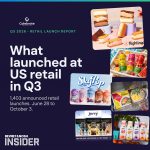
Tracking CPG Growth: Q3 US Retail Launches – Calebrate October 2026
CPG retail launch activity accelerated throughout Q3 2026, but the underlying data reveals an important distinction between new product innovation and distribution expansion. Calebrate’s latest report tracks 1,403 announced retail launches across more than 160 retailers, with weekly launch activity increasing from 88 in July to 112 in September.
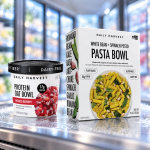
Daily Harvest Announces Five-Chain Retail Expansion
Daily Harvest is expanding its retail footprint, with Marianne’s growing in Target and Archer bringing new SKUs to the club channel.
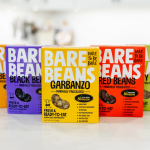
Bare Beans Launches Ready-to-Eat Bean Packs After $2.79M Seed Round
After years building in foodservice, Bare Bean is taking its ready-to-eat, vacuum sealed bean business to the consumer level.
Additional Content
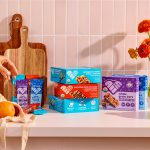
This Saves Lives Goes ‘All In’ On New Brand With A Fresh $4M
Kristen Bell’s snack brand, f.k.a. This Saves Lives, is now All In Foods. The company emerged with its new moniker this month alongside announcing a fresh, $4 million cash infusion.

Jus-Rol Rolls Into Target Stores Three Years Into U.S. Expansion
Jus-Rol is rolling out its clean label Puff Pastry to 300 Target stores nationwide this month, adding to its growing momentum which has seen dollar sales up 39% and unit sales spike 42% in 2025.
Amazon Moves Whole Foods Leadership In-House
Amazon is consolidating the Whole Foods leadership team under Amazon’s Worldwide Grocery Stores, with former Whole Foods Market CEO Jason Buechel in the top seat.
Delivery Sparks 27% Sales Surge Across eGrocery
The online grocery space is booming – up 27% year-over-year to reach $8.7 billion in total sales in May – but not all segments are performing at an equal pace.
How NIQ’s New Nutrition Scoring Could Guide Pricing
NielsenIQ has joined forces with FoodHealth Co. to integrate their respective datasets, enabling brands to spot and craft pitches around the incrementality their products could bring to a retailer’s set on the basis of price, health and how those factors affect consumer purchasing habits.

Home Cooking Is Back. But CPG Sales Still Could Shrink.
Most Americans are concerned about the economy and recent sentiments from surveys and CEOs signal the same thing: consumers are cooking more at home. But this increase doesn’t necessarily mean CPG sales are about to surge.
Harvest Group Strengthens Costco Capabilities with Acquisition
Commerce agency Harvest Group is strengthening its position in the club channel with the acquisition of Next Step Club Solutions, a Costco-focused brokerage firm. Financial terms of the transaction were not disclosed.
Fed Policies That Drag On Retail Could Be eGrocery’s Gain, Report Suggests
New government policies liable to drag down retail growth could be to the benefit of online grocers, with U.S. online grocery sales expected to outpace brick-and-mortar by 5.2x through 2029, according to a new report from ecommerce data and consulting firm Brick Meets Click.
Campbell’s: Organic Sales Return to Growth As Consumers Cook at Home More, But Snacks Struggle
The Campbell’s Company managed to grow organic net sales in Q3 after three straight quarters of declines, but its snack segment continues to struggle as cash-strapped consumers are “increasingly intentional” about spending in the category.
Misfits Markets Marks Second Acquisition With The Rounds
Waste-reducing online grocery platform Misfits Market announced on Friday it has acquired New York-based circular grocery and household products platform The Rounds.