Are You Ready For Tariff Tuesday?

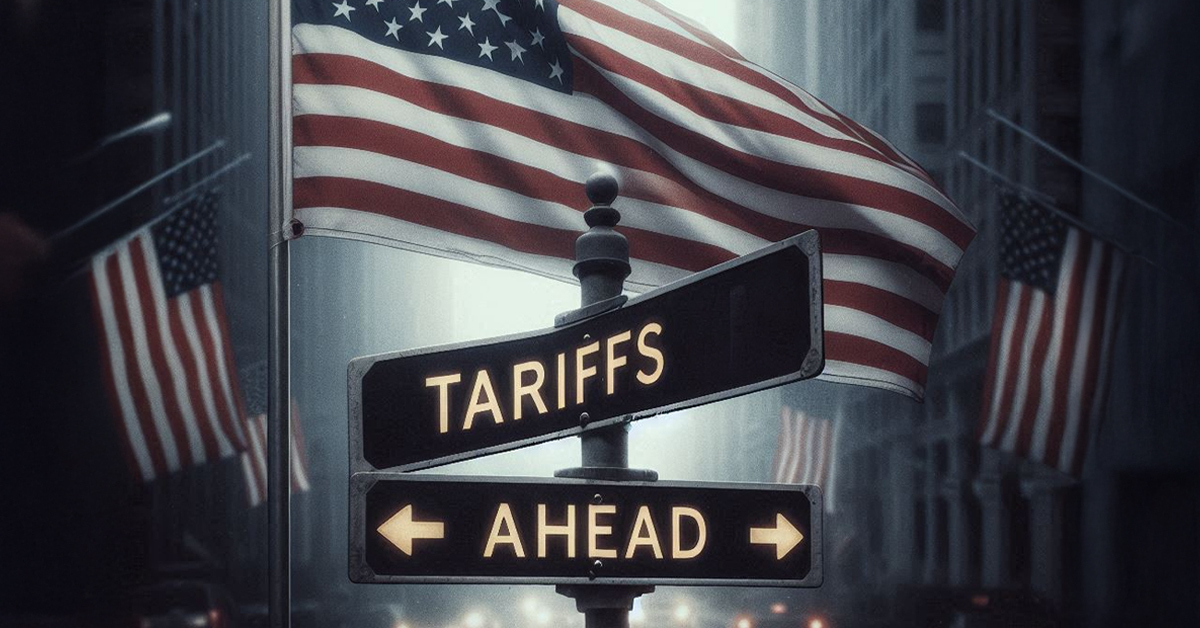
As businesses entered the weekend, there was a strong sense of realization: it’s happening. Many Canadian and Mexican imports were going to be subjected to an extra 25% duty, while many from China were looking at an extra 10% – and that’s just for starters.
The tariffs, on a wide variety of goods, including key agricultural products imported from Mexico and Canada, are effective as of Tuesday, Feb. 4; retaliatory tariffs are almost sure to follow.
A late-breaking commitment by Mexico President Claudia Sheinbaum to send Mexican troops to the border as an attempt to slow smuggling of the deadly opiate Fentanyl may have held off the trade offensive against Mexico for a month, but that only serves to underscore the uncertainty of the situation.
Update: a few hours after this story was published, the U.S. and Canada agreed to a 30-day delay on tariffs as well, with Canadian Prime Minister Justin Trudeau announcing his country would work with the U.S. more deeply on border security and organized crime initiatives.
Of course, the first shot in the tariff war wasn’t aimed at any of those three manufacturing giants, but actually with Columbia, whose president, Gustavo Petro, had briefly resisted President Trump’s attempts to force him to take in deported Columbian nationals being brought over by U.S. planes. During the brief showdown the weekend of Jan. 24, one in which Petro quickly capitulated, Trump gnashed his tariff teeth, and the coffee supply chain quickly blanched at the possibility of an upcharge of 25% to 50% from the supplier of about 12% of the world’s coffee.
That first shot also echoed in the offices of a lot of CPG supply chain experts, who have started to get client calls wondering about ideas like forward buying, pricing adjustments, alternative supply arrangements and more.
With raw materials coming out of those countries – Mexican fruits, vegetables, beer, sugar; Canadian agricultural products; Chinese aluminum, plastics, specialty ingredients – and manufacturing equipment that tends to cross several borders before installation in U.S. factories, there’s no shortage of areas for concern.
Still, the experts we reached out to advised restraint instead of stockpiling. This is a time for review, not overreaction. Hold steady, they say. Don’t tear up your supply chain, but look for potential backup sources for key ingredients affected by price fluctuations.
“I’m telling everybody to wait three to six months,” said Brandon Hernandez, co-founder of operations advisors Whole Brain Consulting. “Wait to see what is actually applicable and doable from a business scenario because there are puts and takes that have absolutely nothing to do with food that would come into play on this. And so don’t go redoing your cost cards or trying to redo your entire supply chain.”
Also recognize that cost increases from tariffs might not match the hassle and cost of manufacturing issues that come from reworking a supply chain with different materials, he added.
If the commodity is coming out of somewhere else, “I probably at least want to get it and analyze it and test it to make sure that it’s going to perform to the same level that I’ve got now.” he said.
Still, there might be some shocking headlines in the first few weeks, Hernandez notes. In previous conflicts between Mexico and the U.S. over trade and immigration, “the first thing [both sides] did was impound meat and dairy at the border.”
Products with short shelf lives rotting across borders is a fast way to put the price of tariffs in front of consumers, as are surges in prices of fresh produce in grocery stores. With pre-existing trade agreements in place under the U.S.-Mexico-Canada Agreement (or USMCA, which Trump signed during his first term and which largely replaced the previous NAFTA agreement), expect that the initial surge of tariffs will fast be under consideration by the World Trade Organization. Some companies will likely apply for exemptions, but at least initially, the purchaser will foot the bill and either swallow the cost or pass them along.
While the current environment leans toward unpredictability, it’s not going to be as drastically bizarre as it was a couple of years ago, during the pandemic, notes Jeff Grogg, founder of JPG Resources.
There may be some similarities in terms of price surges, Grogg said, but “it’s one thing to say, ‘I have to pay 3x on some things.’ It’s another to say, ‘I can’t buy it for any money,’” which happened due to factory shutdowns and other manufacturing disruptions during the pandemic.
“I think particularly with some of the big tariff fears, the question we ask our clients is, ‘Is this going to be an impact on you, or is this going to be an impact on the industry?’” Grogg said.
“And I think companies are kind of freaking out a little bit, and then when they answer that question, they go, ‘Well, yeah, it’s going to affect everybody.’ Well, okay, if it’s going to affect everybody, then, you know, one, there’s probably not much you can do about it. And two, well, then you don’t have a competitive issue anyway, because everybody’s going to see the same effect.”
Regardless, for now, avoid major reactionary expenditures, especially given the unpredictability of the price increases, notes Cody Berenson, who oversees supply chains for Siddhi Capital.
“It’s not sexy advice,” he said, suggesting brands be in touch with suppliers around worst-case scenarios and consider different ways to bring goods into the U.S.
Berenson suggests that if working capital allows, brands might want to “carry a little heavier inventory” as a hedge against price swings.
“I had a brand call in wondering if they should buy about a year’s worth” of an ingredient, Berenson said. “I told them I wouldn’t take drastic action – but everyone needs to be careful around different scenarios.”