After $20M Raised and Whole Foods Debut, Stockeld Dreamery Shutters

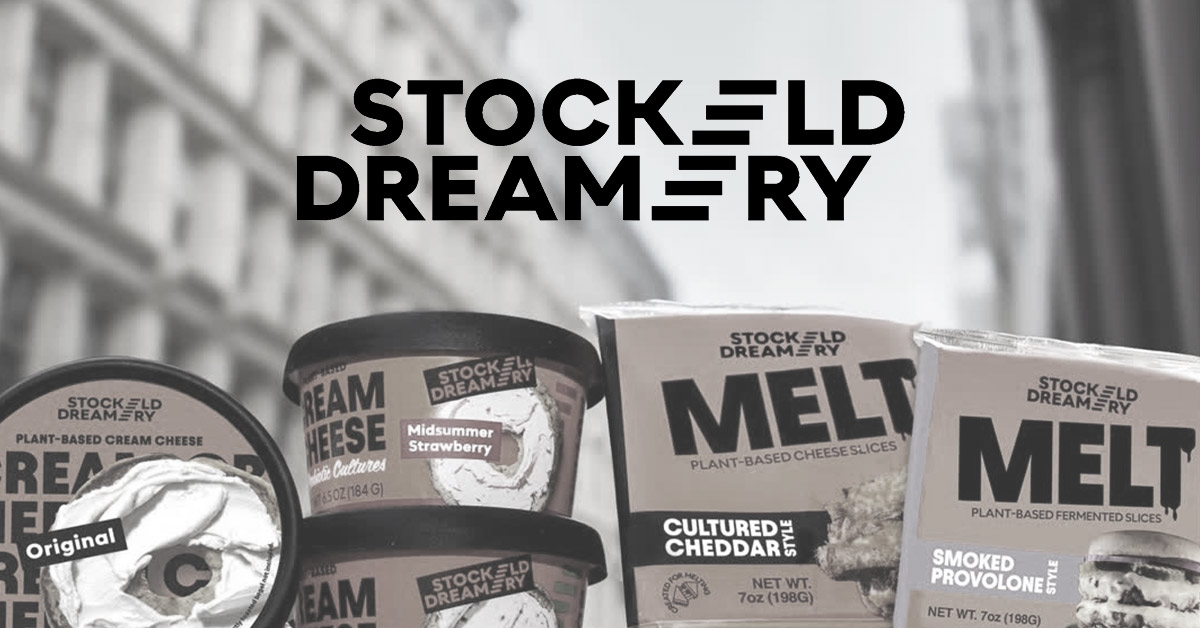
Stockeld Dreamery set out on a mission to help shift consumption patterns toward plant-based with a line of fermented cheese alternatives. Over the course of six years in business, the Swedish startup raised over $20 million in venture capital and most recently secured a spot in NYC area Whole Foods stores, but this month founder and CEO Sorosh Tavakoli made the decision to close up shop.
“In a category that’s so tired, where no one’s investing, everyone’s trying to divest or get out or rationalize, we were actually doing things,” Tavakoli said about coming to this decision. “We felt we really could be that breath of fresh air that this category needs. [But] we concluded we’re not enough, and I would even question anyone being able to achieve that right now [in plant-based alternatives].”
He said at the onset of the plant-based boom, many entrepreneurs, including himself, believed they simply needed to create better, vegan-friendly products, that “people were just waiting for them to be invented and made available,” and that consumers truly wanted to curb the climate impact of factory farming through their consumption habits.
“That goal has become less feasible and plausible… [and] without that bigger demand, the whole business case fell apart,” he said. “We ended up only selling products to vegans or people with dairy allergies. It didn’t matter how good the products would be or how good the marketing would be because the overarching demand was not there.”
Tavakoli emphasized that while the company burned through plenty of cash in the early days “when speed was all that mattered,” he still wouldn’t change how he approached the business. The fermented alternative dairy brand’s demise was purely a victim of a hype cycle that, for a time, inflated a sense of market opportunity, only to weigh on entrants once that momentum lost steam, he said.
Stockeld is far from the only victim of this squeeze. The downfall of the plant-based alternative space has been well documented from the meteoric rise and fall of publicly-traded Beyond Meat, as well as the myriad of alt-meat copycat products, to changing consumer interests away from veganism and toward a villainization of ultraprocessed foods in addition to a lack of strong market demand for foods marketed as climate-friendly.
Even within that lens, Stockeld believes it had a fairly compelling proposition. Its fermented, legume-based products were innovated to be nutritionally-comparable to conventional counterparts. The brand also took a calculated, foodservice channel-focused route to market as it worked to build U.S. demand for the brand before diving into retail.
“We felt we did everything right,” he said. “Don’t get me wrong, we made thousands of mistakes, but [there] weren’t any big places we went that we shouldn’t have. Yes, we had way more funding than was justifiable. And there are certainly things I would do differently, like I wouldn’t sell products in Europe and in the U.S. before having product-market fit.”
Ultimately, the brand found its way onto the shelves of over 500 independent retailers and rolled out to 17 New York-area Whole Foods stores earlier this year. But as Tavakoli thought about the future ahead, including that it would take at least six months to prove itself for a wider Whole Foods rollout and was facing the reality it would need to raise more funds to continue operating, he could not see an end that would justify the means.
“Whole Foods was always a dream… However, this is not about the retailers. This is not about being on-shelf. We did a lot of thought exercises [about] even if we would get into all of the Whole Foods stores nationally, even if we would get into all of the Sprouts nationally – what kind of sales can we expect? What are the numbers you can expect from a category of this size? And what are the costs associated?”
While he emphasized he does believe the market can support small, artisan plant-based businesses, that scale and approach was not aligned with the goal he set out to accomplish, nor the one that secured the business funding and would continue to make it investable long-term. In the end, he recognized that the demand for the category is simply much smaller than he and others originally anticipated.
Tavakoli, who previously founded and built a tech platform to help media companies maximize ad revenue and sold that company to Australian telecommunications subsidiary Ooyala in 2014, said he has always committed a lot of effort to ensuring he was aligned with his investors. While some of them had raised questions in the past about whether the business was still worth pursuing, it wasn’t until recently that Tavakoli said he came to the decision by his own accord.
“Basically every quarter or every six months, as we were envisioning the future of the company, we were forced to envision a smaller company,” he explained.
Tavakoli made the final call earlier this month and said the entire Stockeld team stayed on board and were paid their final salaries as they helped sell off equipment, sell through inventory and close up the offices.
While a few of its team members have already secured new gigs, a handful, including Tavakoli, are still weighing what’s next. In the meantime, he said all suppliers have been paid in full and Tavakoli is currently having conversations about selling the brand’s IP, including its cream cheese formulation.
“You feel this pressure, you’ve taken other people’s money. A lot of people have chipped in to help, to build, to rally around your vision and your dream. You almost feel like you owe it to them to do everything, which is not true. You should not pursue something you don’t believe in because ultimately, that’s not going to lead to a good outcome.”
Explore the Nombase CPG Database
Head to Nombase to learn more about the tagged companies and their offerings.