CPG Week Podcast: MAHA, M&A And More – 2025’s Top Stories
Episode 155
In this episode:
In this episode:
This week on the podcast, Nosh managing editor Monica Watrous and senior reporters Brad Avery and Lukas Southard reflect on the top stories of the year, including the rising influence of the Make America Healthy Again movement on the food and beverage industry, the biggest merger moments, and notable highlights of hemp’s uncertain future.
Show Highlights:
1:00 – Monica explores the impact of the Make America Healthy Again movement on the packaged food and beverage industry with many large manufacturers pleading to remove controversial ingredients from portfolios.
4:20 – Brad discusses the landmark deals defining the market this year, from PepsiCo’s nearly $2 billion acquisition of Poppi to the restructuring efforts underway at leading conglomerates.
7:15 – Lukas highlights the latest developments affecting the use of cannabis in food and beverage formulations.
About CPG Week
CPG Week is the podcast that explores the latest happenings in the consumer packaged goods industry. Join our seasoned reporting team as they dish out the week’s stories in quick, easy-to-digest episodes. Catch up on the top headlines of the week, dive into exclusive insights with the BevNET and Nosh teams, and set yourself up to make more informed business decisions. Tune in to stay up-to-date on the latest developments in the dynamic world of packaged food and beverage.
New episodes are released every week. Send us comments and suggestions anytime to cpgweek@nosh.com.
Show Highlights:
This week on the podcast, Nosh managing editor Monica Watrous and senior reporters Brad Avery and Lukas Southard reflect on the top stories of the year, including the rising influence of the Make America Healthy Again movement on the food and beverage industry, the biggest merger moments, and notable highlights of hemp’s uncertain future.
Episode Transcript
Note: Transcripts are automatically generated and may contain inaccuracies and spelling errors.
[00:00:05] Monica Watrous: Welcome to the CPG Week podcast by BevNET and Nosh. I'm Monica Watrous, here with my co-hosts, Brad Avery and Lukas Southard. This is our last episode of 2025, and we are talking about the biggest food and beverage industry news of the year. It's good to see you both in the studio this time. It's been a while since the three of us have all been together.
[00:00:24] Brad Avery: Group party for the holidays.
[00:00:28] Lukas Southard: When you mean my home studio, right? I'm not actually in Newton right now.
[00:00:31] Monica Watrous: Yeah, neither am I, but that listener doesn't know that.
[00:00:34] Lukas Southard: The virtual studio that we all live in all the time these days.
[00:00:37] Brad Avery: They keep me locked in this room.
[00:00:39] Monica Watrous: Oh, you know, come to think of it, I don't think I've ever seen you outside of that room, Brad. Oh, fair.
[00:00:44] Lukas Southard: It was just a hologram at Nosh Live this year. Exactly. Just Brad hologram on stage. It's all AI.
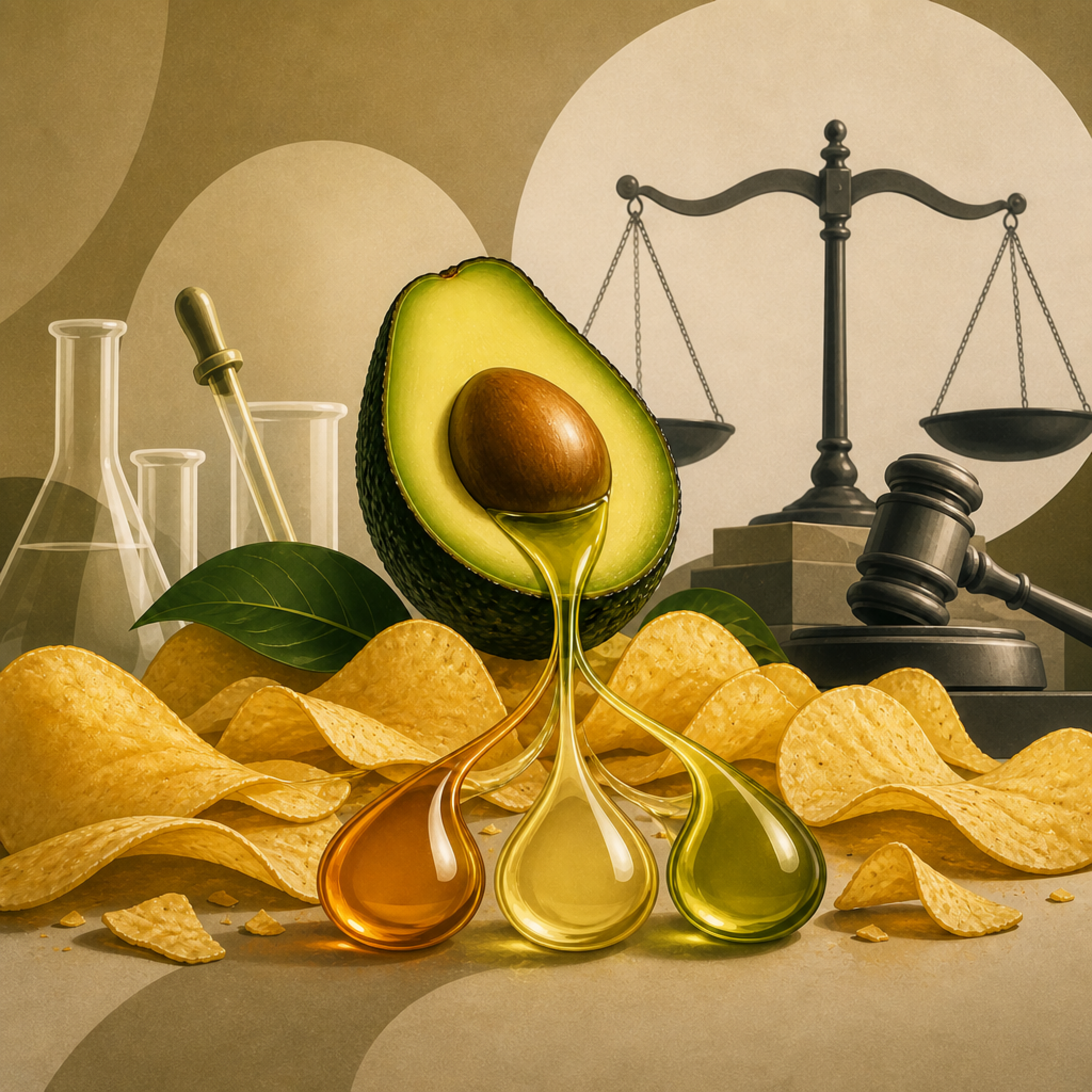
[00:00:50] Monica Watrous: It's all AI. Well, we're not talking about AI today, but we are going to talk about MAHA. The Make America Healthy Again movement has had a major influence on the packaged food industry this year. In April, Health Secretary Robert F. Kennedy Jr. issued a voluntary directive to phase out petroleum-based synthetic dyes from the nation's food supply. Previously, the U.S. Food and Drug Administration had imposed a ban on red dye 3, linking the colorant to cancer in rats. Some of the largest food manufacturers, including PepsiCo, Kraft Heinz, General Mills, ConAgra Brands, and Mars, pledged to remove artificial colors from some or all products within the coming years. Walmart US announced in October its plans to remove synthetic dyes alongside certain preservatives, artificial sweeteners, and fat substitutes from its private brand products by 2027. The transition will affect great value, market side, freshness guaranteed, and better goods labels, spanning sugar cookies, salad dressings, breakfast cereals, toaster pastries, sports drinks, and more. 90% of Walmart US private brands foods are already free from synthetic dyes according to the company. We've also seen companies transitioning from seed oils, high fructose corn syrup and certain other additives that are perceived as highly processed and unhealthy. And several states have passed or are considering bans or restrictions on synthetic colors, additives and other ingredients with some laws already affecting school foods and labeling requirements.
[00:02:23] Brad Avery: One of the stranger things about MAHA is the way it is both a federal top-down political agenda as well as a consumer-driven activist movement that is pressuring the industry from both sides. There's not always this type of trend where you have government figureheads dictating a lot of what the agenda is. But at the same time, you have social media buzz and movement and the way that these health trends evolve and then catch on within a certain group of influencers. This is a fairly unique development, I believe, over the past couple of years. And it's something we're going to keep seeing in 2026.
[00:03:06] Lukas Southard: And it has moved quickly. The USDA has approved waivers from various States to pull, uh, ultra processed foods from being eligible for snap benefits or, uh, food stamps. As you said, Brad, I think this is something that we're going to see increase in the coming years. And it doesn't seem like there is a lot of pushback against Maha in. I think if anything, it's actually become a bigger and bigger topic that has the consumers behind it.
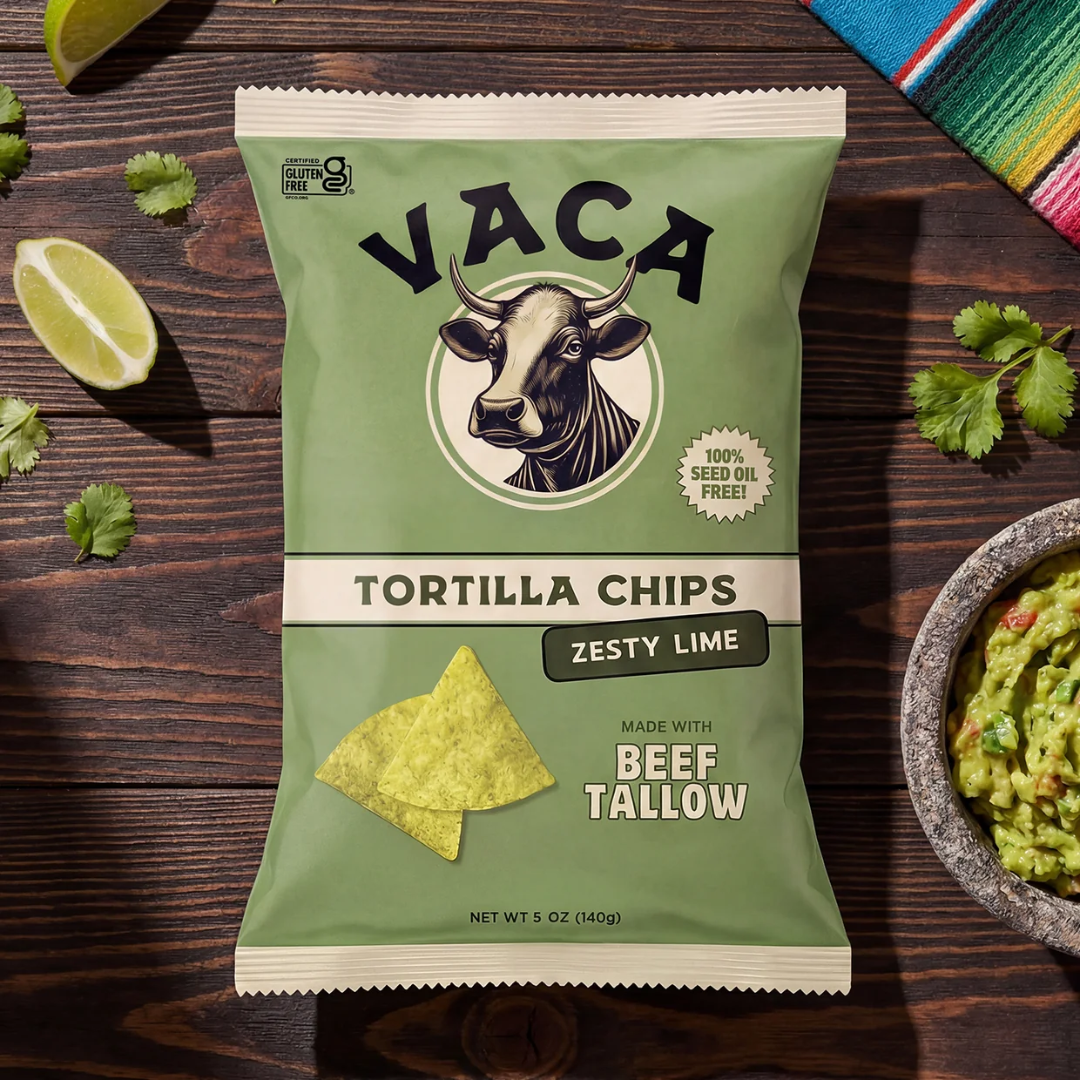
[00:03:37] Brad Avery: I think the bigger question is going to be the outcome of specific trends within MAHA. It's a macro movement. And we know that for now, there's certain movers in the market, the no seed oils trend, beef tallow on the rise. Beef tallow, for example, we know is not actually that healthy for you. And so I wonder if that's going to be a flash-in-the-pan fad or a long-term trend. But for right now, the market is moving. These are more than just posts online. Consumers are listening. Consumers are changing their habits.
[00:04:10] Monica Watrous: And of course, we'll continue to follow all of the developments on BevNET and Nosh. Brad, what struck you as the top story or topic of the year?
[00:04:20] Brad Avery: Well, it was a good year for M&A. And one of the biggest deals of the year was PepsiCo's $1.95 billion acquisition of Poppy. That saw a huge validation for the Better For You prebiotic soda trend. And I'm actually drinking right now a prebiotic Pepsi Cola, which they've already raced out to the market using what they've acquired from Poppy, their assets, their formulations, their approach to the market, and the cool factor that Poppy has brought. to the soda set. I think big questions going ahead are what happens to the rest of the category as we now have a major strategic in this space. Olipop has been rumored to be in discussions for exits, but we don't know where they may be on that or whether they will come or not. But it was a landmark deal and a standout for the year. I think some of the other big M&A deals that stick out to my mind are also the $1.8 billion acquisition of Alani New by Celsius, which is again, Pepsi aligned. big moves for the strategic this year, even though Celsius is still an independent business, they now have both Celsius and Alani on their trucks to the fastest growing energy drinks and brands that have brought women into that category in numbers really never seen before. So PepsiCo has set itself up very well for 2026. And we know that strategics are buying again. At the very least they're looking and there's still big deals out there.
[00:06:02] Monica Watrous: We also know that strategics are reshaping their portfolio and divesting assets that are no longer serving them. A recent example of that on the food side is Hormel Foods' sale of Justin's or the majority ownership stake of Justin's to private equity firm Ford Consumer Partners. That means that Justin's will once again operate as a private company with its previous leadership back at the helm. or Unilever in its ice cream portfolio. Yeah, big spinoff with the Magnum ice cream business and all of the other brands in that portfolio.
[00:06:35] Lukas Southard: Another example of this is the big move by Keurig Dr. Pepper in their acquisition of J.D. Peet's. In the process of acquiring the European coffee conglomerate, they decided they are in the process of splitting off their beverages in the KDP side. and their coffees into the coffee side. And this is just an example of another kind of restructuring of these beverage strategics in terms of where they want their assets to be and where they think that they will work best.
[00:07:09] Monica Watrous: Lucas, what have you been tracking this year?
[00:07:11] Lukas Southard: Well, I don't mean to rehash, pun intended, anything that you guys covered last week. with the rescheduling of cannabis from a Schedule 1 controlled substance to a Schedule 3. But we are seeing a monumental step forward in where the cannabis industry is going and what has shaped it in the last year, especially coming from the intoxicating hemp category, primarily driven from beverages, but there's definitely some edibles in there as well. Just to remind our listeners, President Trump's executive order not only rescheduled cannabis into a Schedule III controlled substance, but it also opened the door for more research in the medical uses of CBD and marijuana. It also included a call for Congress to reconsider its November decision to prohibit intoxicating hemp products, barring any new regulations in 2026. But what's kind of been left out of the discussions around hemp in the last year is that it is a commodity crop and it's grown just like soybeans, corn, wheat, or other plants. Last week I wrote a feature about the upstream impact of all the uncertainty revolving around the hemp industry. And I talked to stakeholders and some hemp farmers to try to understand what could happen in 2026 as Congress debates, how to regulate hemp without destroying this industry that grows a crop used in. food, non-intoxicating beverages, animal feed textiles, and even building materials. So because we report in food and beverage kind of get caught up into the consumable aspect, but hemp as a commodity is grown for a variety of reasons. But as a result, some of the restrictions that have happened and some of the uncertainty that has occurred has made it really hard for farmers to forecast how to move forward. What has been most striking to me about the hemp-derived THC set is that the uncertainty of its future and the patchwork regulatory environment that brands operate in state-by-state has led to a lot of different approaches in scaling. So early in the year, I wrote a two-part series on the differing approaches to distributing hemp-derived beverages. And while we've seen brands in the set encourage more retail buy-in and more age-gated regulations, both on the state and federal level, the direct-to-consumer model has really been one of the biggest parts of this industry and allowed a lot of these smaller brands to grow. It, as we know, e-commerce is it's hard to regulate, especially if these products are going to go under the guidance of the alcohol and tobacco tax and trade bureau or the TTB. It's a controlled substance. And so allowing brands to send these products through the mail kind of circumvents some of the regulations that are being called for. And it makes it really hard to navigate where cannabis is going to land amidst all of this.
[00:10:15] Monica Watrous: Well, thank you both for all the work that you do in covering these topics. And I'm looking forward to seeing what next year brings. And thank you to our listeners for tuning in to CPG Week. We will catch you next year. That wraps up this edition of CPG Week by BevNET and Nosh. Thank you to our audio engineer, Joshua Pratt, our director is Mike Schneider, and our designer is Aaron Willette. If you enjoyed the podcast, please subscribe on your listening platform of choice, and we will see you next time.
About CPG Week
CPG Week is the podcast that explores the latest happenings in the consumer packaged goods industry. Join our seasoned reporting team as they dish out the week’s stories in quick, easy-to-digest episodes. Catch up on the top headlines of the week, dive into exclusive insights with the BevNET and Nosh teams, and set yourself up to make more informed business decisions. Tune in to stay up-to-date on the latest developments in the dynamic world of packaged food and beverage.
New episodes are released every week. Send us comments and suggestions anytime to cpgweek@nosh.com.
Stay Informed, Stay Competitive
Unlock the articles, expert interviews, and data reports that power the food and beverage industry. Join our community and stay ahead with exclusive insights from BevNET and Nosh.