CPG Week: FTC Throws A Wrench Into The Kroger Albertsons Merger
Episode 63
In this episode:
In this episode:
What’s it like to stay in an Eggo-themed pancake house in rural Tennessee? Why is the Federal Trade Commission (FTC) challenging the Kroger/Albertsons merger? What is yaupon? Why is Mason Dixie betting consumers want more clean comfort food? This week the BevNET and Nosh team dive into all these topics and more.
Show Highlights:
0:45 – It might look like the setting for a bad horror movie, but Eggo’s short-term rental “pancake house” marketing stunt is probably a satisfying place to spend a weekend.
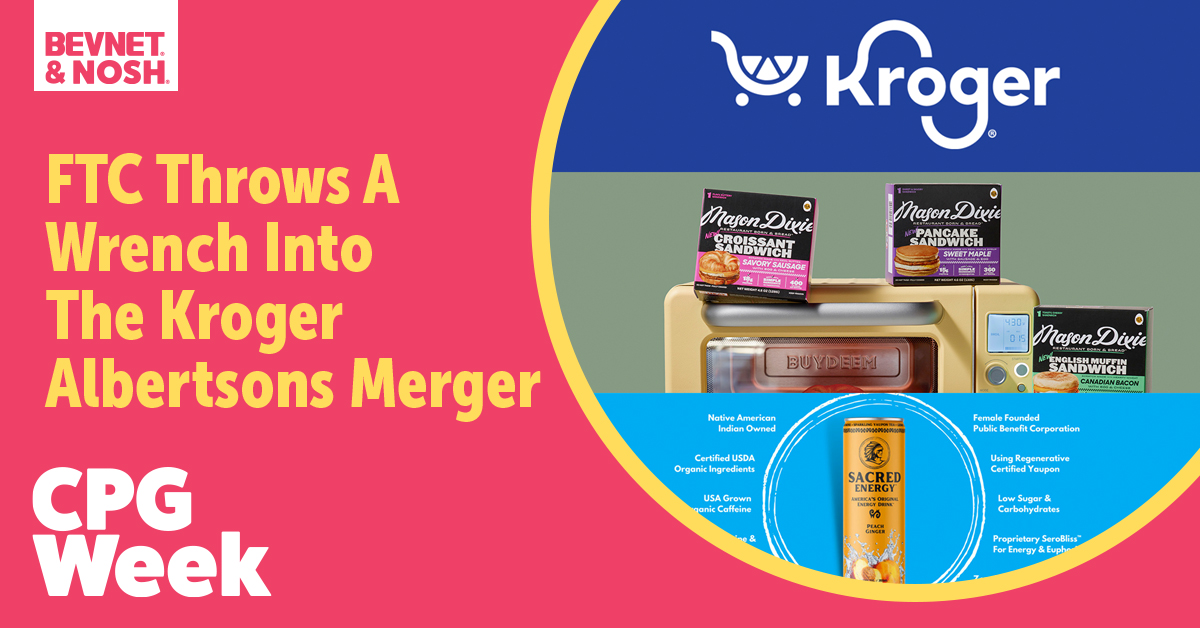
2:20 – In the latest wrinkle in the potential mega-merger between Kroger and Albertsons, the FTC this week sided with nine attorneys general on the grounds that the deal would reduce competition in the grocery landscape. The team discusses the implications of the federal government’s involvement and why this will slow the possible merger down.
6:00 – Senior reporter Brad Avery explains why yaupon is one of the newest clean caffeine ingredients and how pre-launch beverage brand Sacred Energy is banking on its proprietary mix of the plant-based extract to carve out a niche in energy drinks.
10:00 – Nosh managing editor Monica Watrous tells the team about her recent conversation with Mason Dixie founder and CEO Ayeshah Abuelhiga on why the brand is going deeper on breakfast comfort food.
About the CPG Week
CPG Week is the podcast that explores the latest happenings in the consumer packaged goods industry. Join our seasoned reporting team as they dish out the week’s stories in quick, easy-to-digest episodes. Catch up on the top headlines of the week, dive into exclusive insights with the BevNET and Nosh teams, and set yourself up to make more informed business decisions. Tune in to stay up-to-date on the latest developments in the dynamic world of packaged food and beverage.
New episodes are released every week. Send us comments and suggestions anytime to podcast@nosh.com.
Show Highlights:
This week’s podcast dives into the FTC’s challenge to the $24.6B Kroger/Albertsons merger, the potential of yaupon in energy beverages, and why Mason Dixie is betting consumers want more clean comfort food.
Episode Transcript
Note: Transcripts are automatically generated and may contain inaccuracies and spelling errors.
[00:00:05] Monica Watrous: Welcome to the CPG Week podcast by BevNET and Nosh, your source for the latest food and beverage industry news. I'm Monica Watrous, Managing Editor of Nosh, here with my co-hosts, Brad Avery and Lukas Southard. If you're enjoying the show, please subscribe on your listening platform of choice. On the podcast today, we're discussing Kroger and Albertson's versus the FTC, Yopan's potential and clean comfort food. Just call me Rice Krispies because I'm bringing the snap, crackle, and pop to today's podcast. I'm a little under the weather, but I'm excited to talk with you guys about the big news of the week. Brad, would you stay in an Eggo-inspired rental home?
[00:00:49] Brad Avery: Does it come with a free supply of Eggo, or does it just look like a waffle?
[00:00:55] Monica Watrous: Actually, it looks like a pancake. Kelanova wants to remind everyone that they also have pancakes under the brand Eggo, and they announced the first ever Eggo House of Pancakes, a literal pancake house you can rent for flapjacks filled vacation. It's open in Gatlinburg, Tennessee, which apparently is the pancake capital of the world. And it's available for booking. Features include a stick of butter-shaped chimney, breakfast-inspired decor, and a freezer packed with Eggo pancakes to answer your question, Brad.
[00:01:30] Brad Avery: Now I'm looking at the press release here, and it seems like this pancake house, which does in fact look like a pancake from the outside. If you listening, go look this up. It's pretty impressive. But it says it's in the heart of the Smoky Mountains, and it seems a little remote. And I just can't help but picture this just being a horror movie. where five friends think they're gonna go up to the mountains for a delicious pancake weekend stay, and then they find the situation stickier than they thought.
[00:02:02] Lukas Southard: Good use of sticky there. Is it like they're gonna be eaten by a giant pancake or waffle?
[00:02:08] Brad Avery: That's not strawberry syrup. It has those vibes, and I see it going horribly wrong.
[00:02:19] Monica Watrous: From hot cakes to hot seat. What's going on with Kroger and Albertsons and the FTC, Lucas?
[00:02:26] Lukas Southard: A lot is happening, Monica. The FTC made a ruling this week on the $24.6 billion potential merger between Kroger and Albertsons. They filed suit with nine attorneys general, basically calling the merger a antitrust issue and would consolidate the industry to the point that would make it unfair competition to other grocery stores as well as the employees and eventually actually raise prices for consumers. So the problem is that Kroger and Albertsons are maintaining that, although this obviously does consolidate the industry, between the two of them, they operate in about 35 to 36 different states. The combined companies operate about 5,000 stores, 4,000 retail pharmacies, and employ 700,000 workers across 48 states. Albertsons and Kroger contend that the market share that they would maintain if this merger went through would still be far below what Walmart or Amazon already hold in the grocery industries.
[00:03:45] Brad Avery: There's certainly regions where if this merger goes through, the combined Kroger Albertsons will control most or all of the grocery stores in certain areas, certain towns. So it's understandable that the FTC is calling this an antitrust issue. And it's particularly interesting that that group of attorneys general that are suing alongside the FTC is bipartisan as well. don't see a lot of bipartisan activity coming from the government these days. And so the fact that there is concern on both sides that this could be an anti-competitive deal is suggesting there's some fire here to the government's case and that this deal is not going to be just greenlit anytime soon.
[00:04:32] Lukas Southard: You're right, Brad. And even in the FTC's challenge of the Kroger Albertsons merger, they had a executive from one of the companies they wouldn't name who that was quoted saying, you're basically creating a monopoly in grocery with the merger. So it's not that they're saying that they aren't consolidating the industry by doing this merger.
[00:04:58] Brad Avery: Now there is an interesting statistic here, and you can read more about this. Our colleague Adrianne DeLuca wrote about it on Nosh, Kroger-Albertsons versus the FTC, what happens next. And there is a graph that Albertsons provided. highlighting that Walmart and Sam's Club is about a 29% U.S. grocery market share, a combined Kroger Albertsons is predicted to be about a 16% market share. So to their case, Walmart is still bigger. However, I do see the government's concern that if the merger were to go through, it does reduce the competition in the landscape, no doubt.
[00:05:38] Monica Watrous: We'll be following this for a while, and of course, folks can stay up to date with all of the new developments at BevNET and Nosh. I wonder if Kroger or Albertson sells Yopan tea.
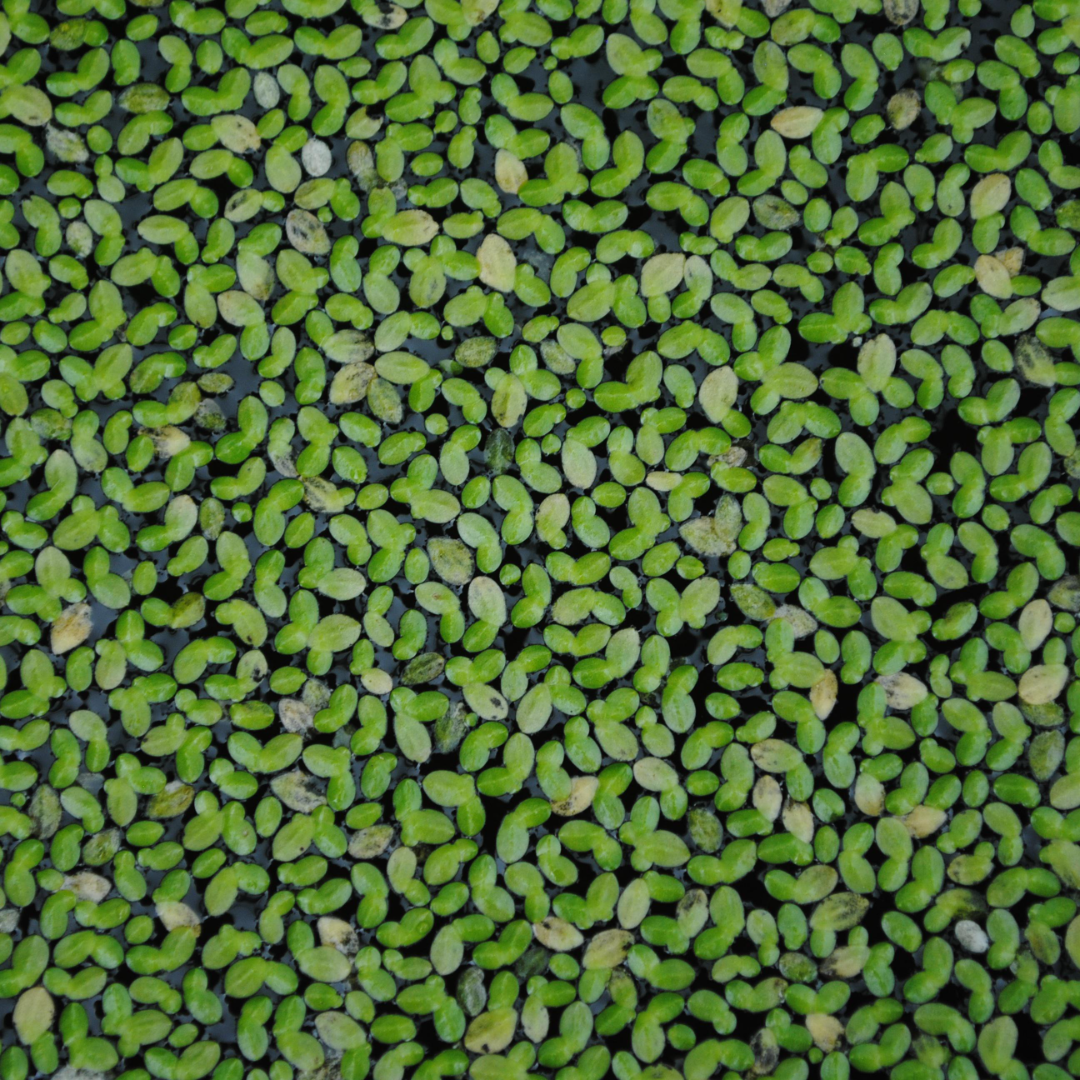
[00:05:51] Brad Avery: I don't know if they sell it right now or not, but there's definitely drive to get more Yopon products into the market. I wrote this week about a new brand, a startup that's pre-launched called Sacred Energy. It is an energy drink using Yopon as its natural caffeine source, plant-based product. Now, if you don't know what Yopon is, that's not surprising. You can think of it like yerba mate. It is in the same family and it is an indigenous to North America, naturally caffeinated plant that has a long history of use by Native Americans. Now, we've seen some yopan in CPG already. Brands like Rambler, there's some past brands like YaYaYa that were using it and trying to build a small emerging category for this. And Sacred Energy, which I wrote about in a feature, Can Sacred Energy Take Yopon Mainstream? They're trying to do that. They're trying to build a base for this ingredient and hit that clean caffeine trend that we've been hearing more and more about, particularly as that Better For You energy space kicks off.
[00:07:00] Lukas Southard: What stuck out to me when reading your article, Brad, was that it's not just the Yopon in there, but also they use Kava, which I've seen kind of popping up a lot as this functional ingredient that's kind of being paired with natural caffeine in some ways, especially in the case of sacred energy, to also provide a different kind of experience to the drink. But kava kind of falls into that somewhat gray area that we've been seeing, especially in beverages, about whether it's OK to use or not.
[00:07:35] Brad Avery: Yes. So Sacred Energy is going to be using a proprietary blend of plant-based functional ingredients that they're calling cereblis. And one of several ingredients in there is kava or kava kava. It's a, again, Kava is a plant-based ingredient from, I believe, the Pacific around Hawaii. And it's often used for relaxation. And we've seen a number of brands like Lilo, for example, trying to build specifically around the relaxation kava occasion. So kava is not the main ingredient in sacred energy, but it is one that has a bit more of a head start with building a trend. However, as you said, Lucas, there are concerns, particularly from the government. The FDA has said it has potential side effects, such as liver damage. And so there are questions about this burgeoning category for kava drinks. And it's used as an ingredient here. I'm not sure exactly how much kava is in sacred energy. or will be, rather, the product is still in production. But its intent is to provide that more level, calmer, no jitters energy that we've seen a lot of brands trying to bring to the market in recent years.
[00:08:52] Monica Watrous: What doesn't cause liver damage these days?
[00:08:55] Brad Avery: That's a very good question. I wish I could tell you.
[00:08:59] Monica Watrous: Well, you're talking about clean caffeine, and that was one of the trends that Whole Foods Market identified in its latest trends report. And Yopon was actually one of their trends in the 2023 report. So I expect to see more activity around this plant, this category, this idea of alternative energy ingredients. It's a very exciting space.
[00:09:18] Brad Avery: Yeah, and I think there's not enough data yet that I was able to find on Yopon specifically, but if you look at Yerba Mate, and particularly at brands like Guayaquil, and I think that's a fair comparison. They're both in the Holly family. They're both kind of making that same pitch. Yopon's argument is that it doesn't have tannins. It tastes better, more or less, for most people. It's more accessible. And so it'll be interesting to see if this category can emerge.
[00:09:43] Monica Watrous: Well, speaking of clean ingredients, I was talking to Asha Abulija, the founder and CEO of Mason Dixie Foods. They are about to launch some new products ahead of Expo West, specifically in the breakfast sandwich category, where they saw a lot of success with their biscuit sandwiches launched three years ago. And the whole premise behind this brand's portfolio is clean, convenient comfort foods, which is a really interesting departure from a lot of the better for you products that are popping up in the marketplace. All of the products in Mason Dixie's portfolio are free from preservatives, corn syrup, artificial colors and flavors, oils, bleach, protein substitutes, gums, and aluminum. So things that I think should be table stakes in a lot of our products, but there you go.
[00:10:37] Brad Avery: No bleach is a deal killer for me. I need that bleach eating Clorox right out of the box.
[00:10:44] Monica Watrous: I like your style. I'm excited about this trend of clean comfort food led by brands like Mason Dixie as well as Lexington Bakes, Miles Comfort Food, and others. People want indulgence, but they also want to feel good about what they're putting in their bodies.
[00:11:02] Brad Avery: There is that general ethos of, if you can't pronounce it, don't eat it. So this really seems like it appeals to that type of consumer who's, again, reading the label, and when they see a chemical name and they don't understand what it is, they prefer not to consume it. So this makes a lot of sense that even if, okay, there's more fat, maybe there's sugar in there, but they know it's authentic.
[00:11:26] Lukas Southard: It also adds to what these brands can do in terms of premiumization. So I know Lexington Bakes is, is leaning into this a lot in that they are a premium product and they use all these real ingredients and none of the preservatives and all the other things that you listed, but they also are offering something that is a higher quality and thus they can charge a little bit more for it too. There's a lot of advantages to taking that approach.
[00:11:52] Monica Watrous: And I think these brands are looking at the competition as restaurants and bakeries, and they're pulling market share away from those types of businesses versus other CPG brands.
[00:12:08] Brad Avery: Yeah, I think the biggest question, though, is how is this going to scale? When you have small startup companies, they need to build out to go national, to go larger, and it's a lot more input cost to source these natural ingredients, these original ingredients. There's a reason that you see all these preservatives in products, and that's that they last longer as well. So there's going to be an issue on shelf where you're going to have to turn these around a lot faster if they're not frozen. So, that's a question I think we'll have to explore later.
[00:12:42] Monica Watrous: Sure. Yeah, there are a number of operational complexities to this, but I think the contingent of consumers who want these types of products exists, and these brands are definitely hitting the mark for them. Here are some other notable bits of news from the week. Investment firm Boulder Food Groups, or BFG Partners, is launching its third fund, targeting a $125 million pot. Sprouts Farmers Markets full year 2023 net sales increased 7.7% to $6.8 billion. And black-owned coffee and tea brand Black & Bold has launched a nonprofit foundation to support minority youths. For these stories and more, become an insider on BevNET and Nosh. And don't miss our unofficial guide to Expo West, dropping March 4th on Nosh.com.
[00:13:37] SPEAKER_01: That wraps up this edition of CPG Week by BevNET and Nosh. Thank you to our audio engineer, Joshua Pratt, our director is Mike Schneider, and our designer is Aaron Willette. If you enjoyed the podcast, please subscribe on your listening platform of choice, and we will see you next time.
About CPG Week
CPG Week is the podcast that explores the latest happenings in the consumer packaged goods industry. Join our seasoned reporting team as they dish out the week’s stories in quick, easy-to-digest episodes. Catch up on the top headlines of the week, dive into exclusive insights with the BevNET and Nosh teams, and set yourself up to make more informed business decisions. Tune in to stay up-to-date on the latest developments in the dynamic world of packaged food and beverage.
New episodes are released every week. Send us comments and suggestions anytime to cpgweek@nosh.com.
Stay Informed, Stay Competitive
Unlock the articles, expert interviews, and data reports that power the food and beverage industry. Join our community and stay ahead with exclusive insights from BevNET and Nosh.