California Goes After Ultra-Processed Foods

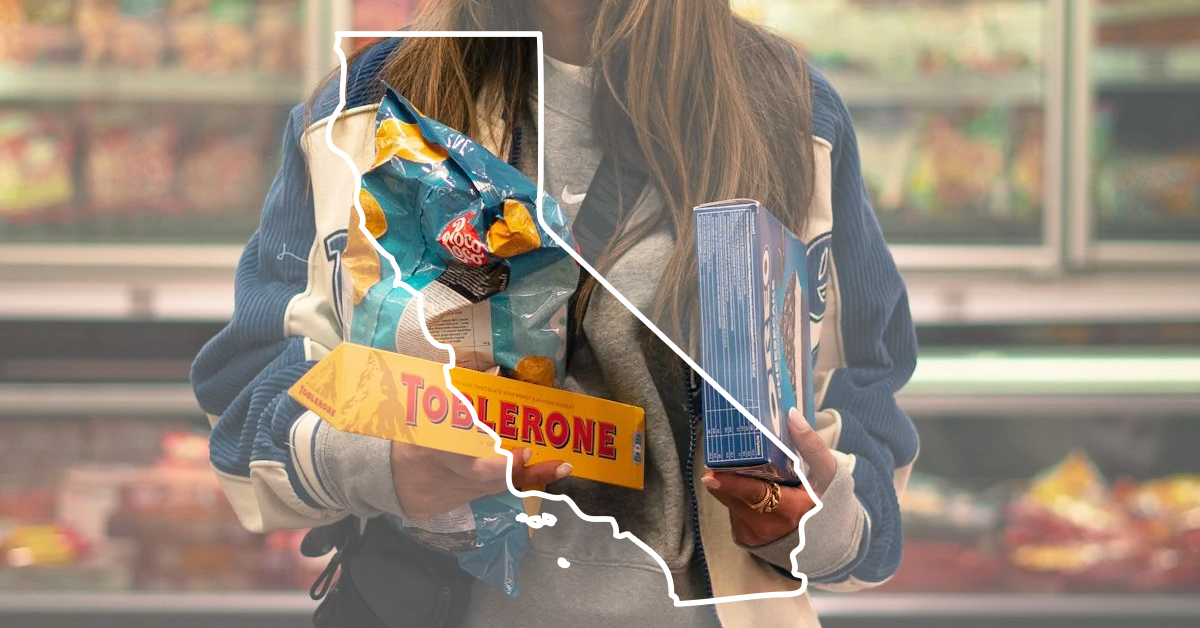
New year, new food policy. California is starting the year by picking a fight with ultra-processed foods through a new executive order issued this morning.
Governor Gavin Newsom issued executive order N-1-25 ordering state agencies to provide recommendations to “limit the harms of ‘ultra-processed foods’ and food ingredients that pose a health risk.” The directive also calls for an investigation of the adverse health impacts of synthetic food dyes and to explore ways to improve access to “fresh, healthy foods” as part of school meals and in state hospitals.
“The food we eat shouldn’t make us sick with disease or lead to lifelong consequences,” Newsom said in a statement. “California has been a leader for years in creating healthy and delicious school meals, and removing harmful ingredients and chemicals from food.”
The executive order follows similar initiatives by the governor’s office to improve access to nutritious foods while limiting potentially harmful products in schools. In October 2023, the state passed The California Food Safety Act which effectively banned common food additives red dye 3, potassium bromate, brominated vegetable oil and propylparaben.
In September, California extended its oversight of school meal food products banning blue 1, blue 2, green 3, red 40, yellow 5 and yellow 6. Under Newsom, the state has also restricted the sale of soda on kindergarten through grade 12 school campuses, barred caffeinated beverages in schools as well as proposed a sugar limit on non-dairy milk.
The executive order defines “ultra-processed foods” as “industrial formulations of chemically modified substances extracted from foods, along with additives to enhance taste, texture, appearance, and durability, with minimal to no inclusion of whole foods.”
This broad definition leaves a lot of grey area as to the specific food brands and/or categories that could fit into the nebulous ultra-processed category. Common examples listed in the executive order call out “packaged snacks, chips, crackers, cookies, candy, sugary beverages and highly processed meats like hot dogs and lunch meat.”
The order comes after a recent update to the definition of “healthy” on food labels by the Food and Drug Administration (FDA). California’s move also presupposes new food policy regulations from President-elect Donald Trump’s expected pick for Department of Health and Human Services secretary, Robert F. Kennedy Jr. Kennedy has been an outspoken critic of processed foods and U.S. food policy.
The FDA Deputy Commissioner for Human Foods Jim Jones told a U.S. Senate health committee in December that the agency was close to banning red 3, a petroleum byproduct, from food and beverage products.
In October, a group of protesters led by HumanCo CEO Jason Karp marched on WK Kellogg’s headquarters in Battle Creek, Mich., calling for the food maker to follow through on a 2015 promise to remove artificial colors from its formulations.