
Regulatory
Stay informed on the latest natural food industry regulatory updates involving the Federal Trade Commission (FTC), Food and Drug Administration (FDA), or United States Department of Agriculture(USDA), as well as news regarding lawsuits, labeling and class-actions. Understand the evolving natural food regulatory and legal environment which can directly impact your product claims, intellectual property, packaging and ingredients.
Featured Regulatory Content

Non-Ultraprocessed Labeling Gains Ground, But Scientific and Regulatory Questions Remain
California became the first state to establish government-backed certification for foods labeled as non-ultraprocessed, but the move is raising new questions for manufacturers navigating differing definitions.
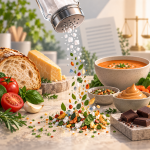
FDA Clears Alt-Salts for More Foods, But Will Brands Reformulate?
A new FDA rule expanded applications for sodium alternatives. While most of the industry lauded the effort, we reached out to some experts to understand if this move can have a tangible impact.
California’s ‘Non-Ultraprocessed’ Label Gets the Greenlight
California is creating a state-backed certification and on-pack seal for foods that qualify as non-ultraprocessed under legislation signed by Gov. Gavin Newsom this week.
Additional Content

Smashmallow Wins $21M From The Case That Caused Business Shut Down
In a lawsuit against the equipment company that Smashmallow founder Jon Sebastiani said ultimately caused its downfall, a $21 million verdict has provided “a sense of redemption.”

How to Keep Your Intellectual Property Under Control
How do you keep your intellectual property — processes, patents, recipes, designs and trademarks under your control? And how should you deal with the inevitable attacks from competitors, both established and copycats, as you grow? Seasoned CPG attorney Allison Roseman Hagey will take founders through some of the key legal touchpoints surrounding brand and product IP.

How A Government Shutdown Could Impact The Food Industry
With Congress facing a Sunday deadline to pass bill and keep the government funded, a federal government shutdown is looming. What does this mean for CPG?

Following Teen’s Death, Paqui Pulls “One Chip Challenge” From Shelves
Following the death of a Massachusetts teen who took the Paqui “One Chip Challenge,” Amplify Brands, a subsidiary of parent company Hershey’s, said it will pull the product from stores.

FDA Appoints First Deputy Commissioner for Human Foods Program
The U.S. Food and Drug Administration (FDA) has found its first leader for its Human Foods Program, appointing 30-year Environmental Protection Agency (EPA) veteran James Jones as Deputy Commissioner.

PLANT Act Enters Farm Bill Conversation
How does the government create a research-driven, farmer-centric plant-based food industry ecosystem that supports its own growth through consistent supply and demand? That’s the task the The Peas, Legumes, and Nuts Today (PLANT) Act is looking to tackle.

NOSH Podcast: The Right to Free Speech and Alt-Meat
Institute for Justice Senior Attorney Justin Pearson joins the NOSH Podcast this week to talk about how and when the First Amendment and the Constitution protects brands against food labeling regulations.

USDA Prioritizes Labeling Claims For Humanely-Raised Animal Products
The USDA announced plans to revise the guidelines for animal-raising claims providing more consumer transparency and oversight for label callouts like “grass fed,” “pasture raised,” “hormone-free” or “antibiotic-free.”

Regulatory Rundown: Here’s Where USDA Priorities Overlap CPG
The USDA’s purview is regulating agricultural products and livestock that become food, but its reach in the industry stretches into other areas of health, nutrition, food access and safety. Here is a brief explainer about some of the current administration’s priorities pertaining to CPG food.

Beyond Meat: Shareholder Lawsuit Alleges Leadership Overstated Success of QSR Partnerships
Beyond Meat was issued a class action lawsuit by institutional shareholders alleging that the plant-based meat company’s executives knowingly misled its investors about the strength of the company’s manufacturing and foodservice partnerships while, in the process, profiting on the inflated share price.