CPG Week: Nosh Trendlines Report
Episode 79
In this episode:
In this episode:
Back from a long holiday weekend, the CPG Week podcast team got back to work with a quick quiz testing senior reporters Lukas Southard and Brad Avery on interesting new product launches. The team goes on to discuss the stories they wrote for the new series, Nosh Trendlines Report. The five-part series brought insight into recent developments within the CPG food industry focusing on topics like ingredients, retail distribution, operations, marketing and product categories.
Show Highlights:
0:30 – The group plays a quick game of Two Truths And A Lie: CPG Week edition, where Nosh managing editor Monica Watrous questioned her co-hosts with some real and fake product launches.
2:30 – Lukas kicks off a discussion of the new Nosh Trendlines Report series with an explanation of his story focused on production. The group discusses the pros and cons of self-manufacturing and why more emerging companies seem to be taking this route.
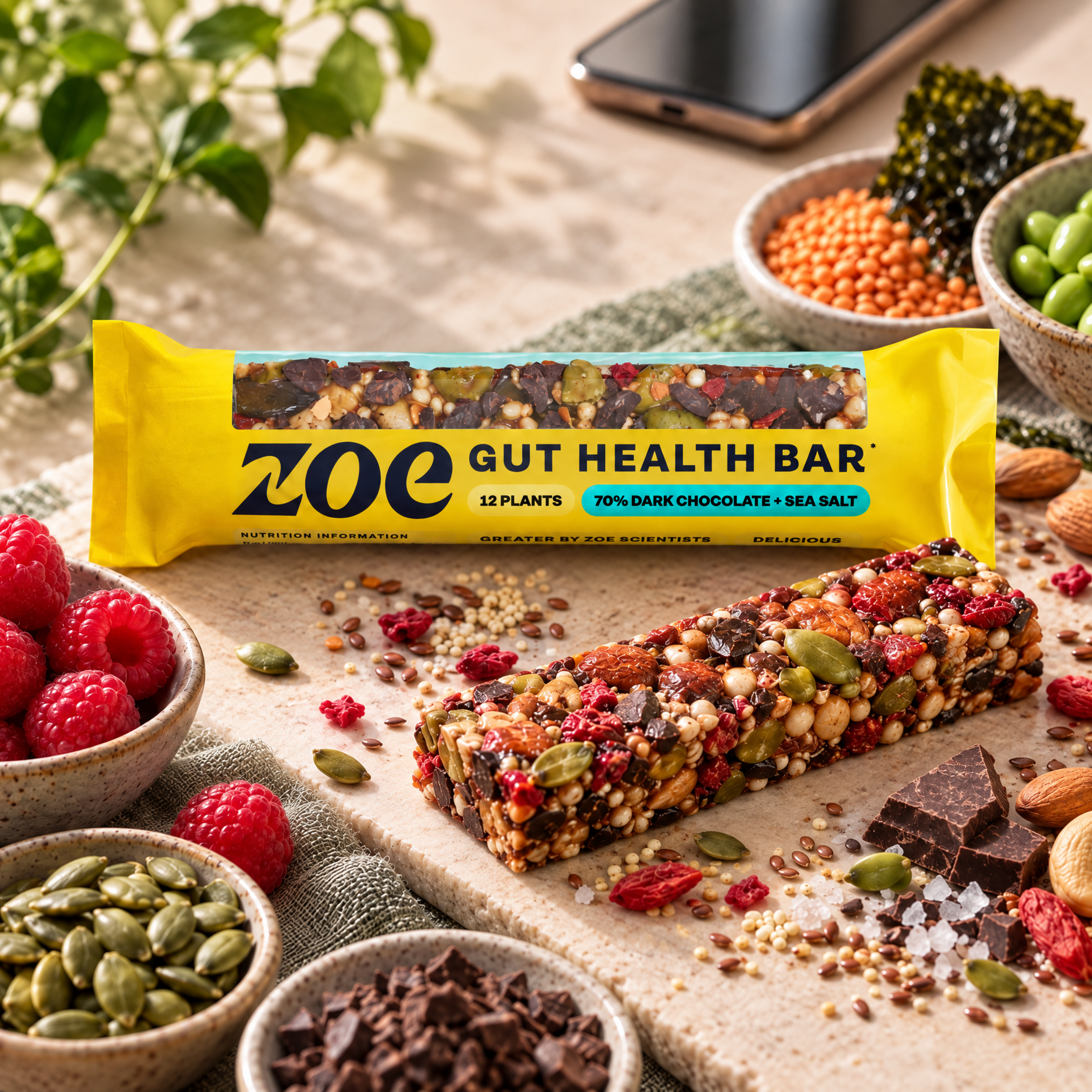
7:00 – Brad tells the team about the story he co-wrote with editorial assistant Shauna Golden that focused on the trend of healthspan versus lifespan.
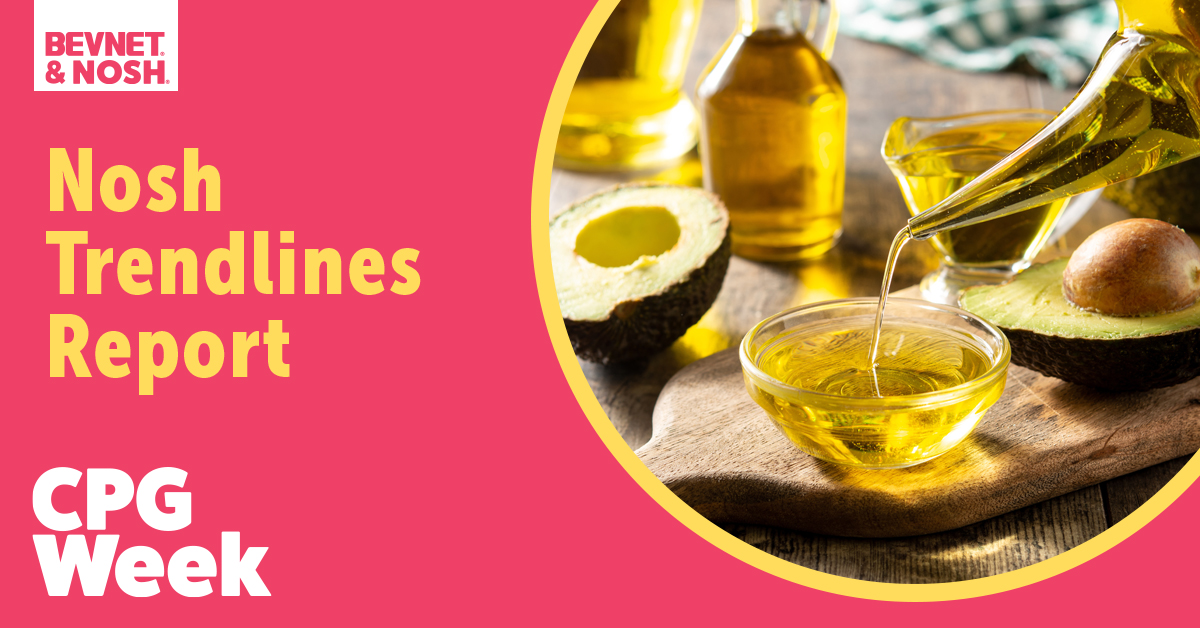
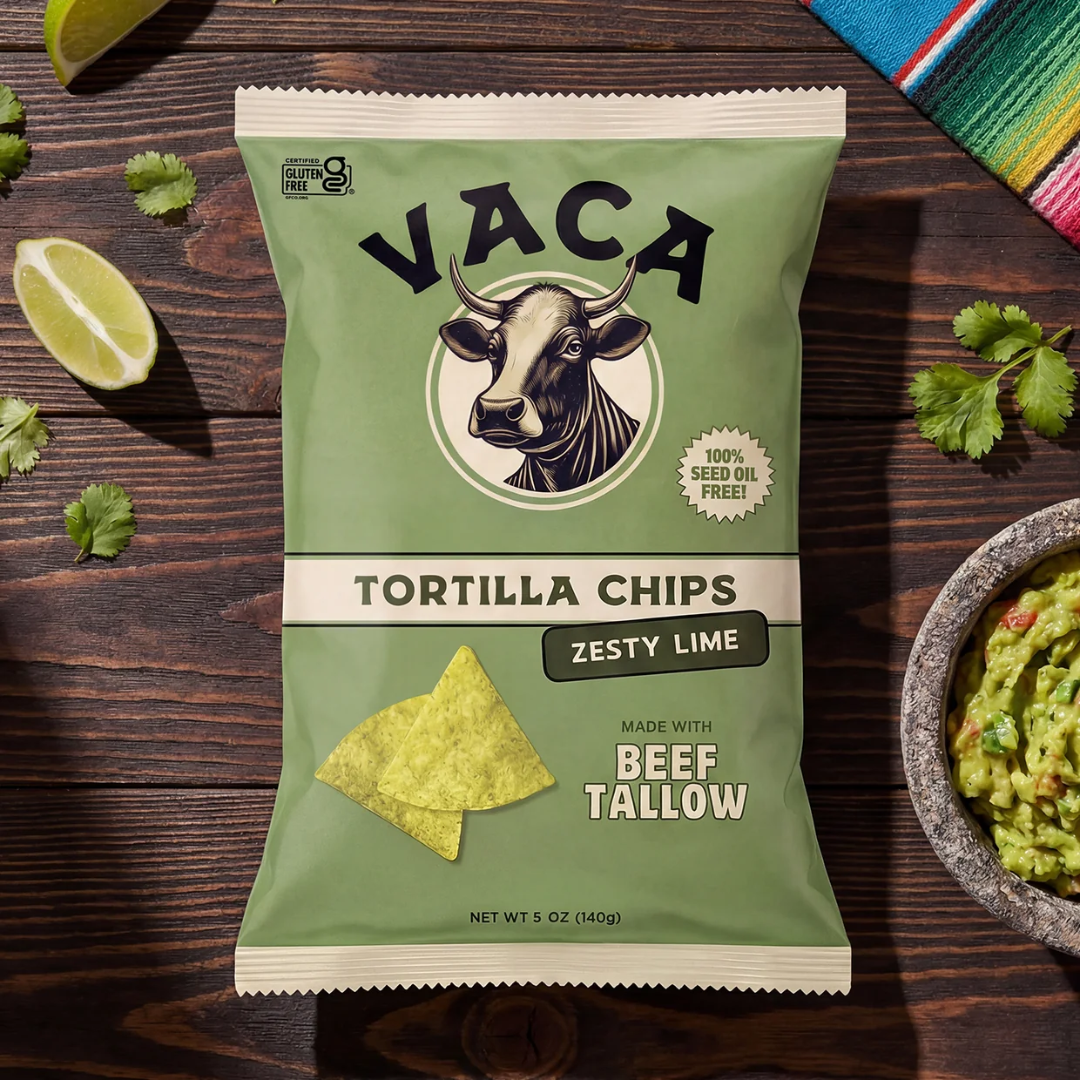
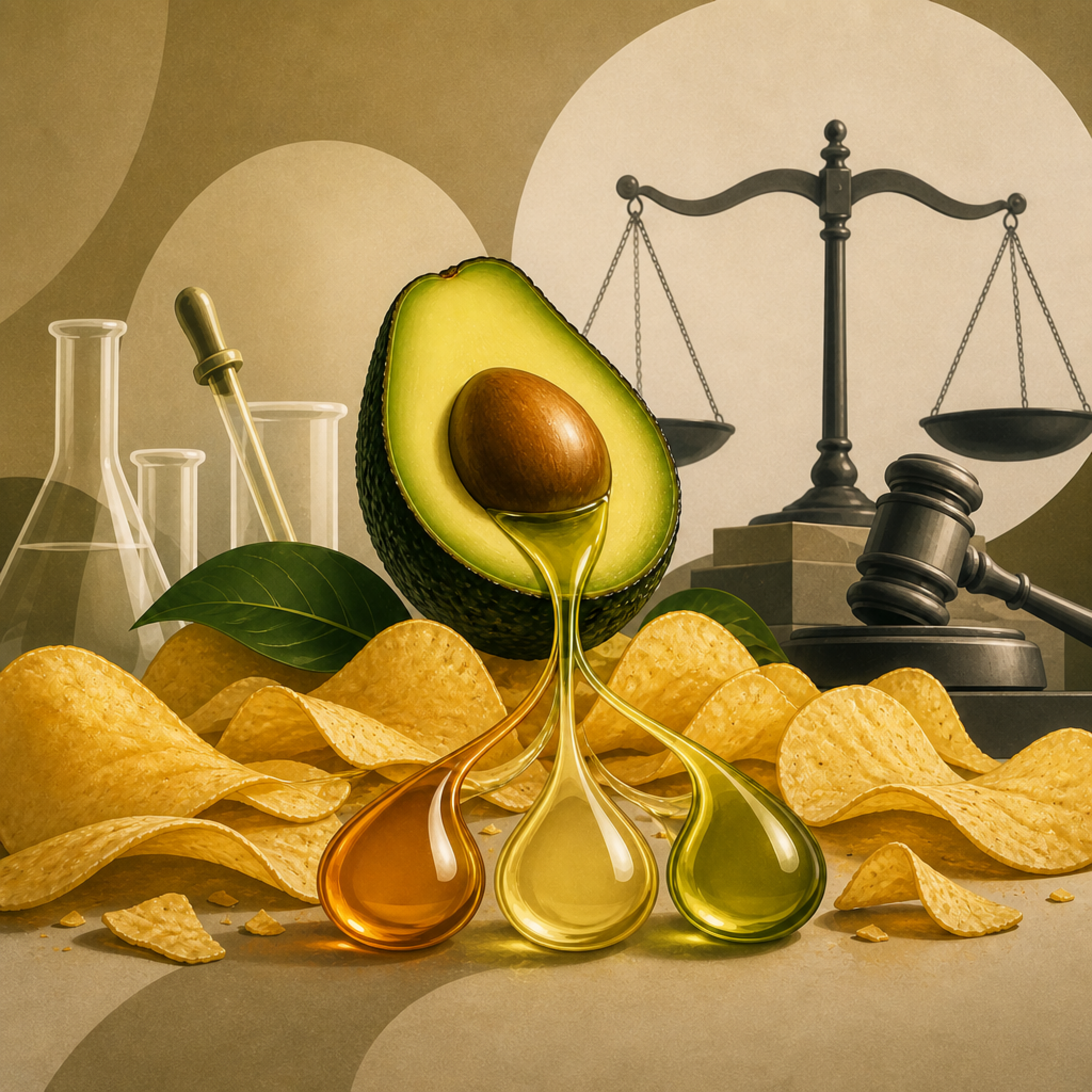
10:00 – In Monica’s Trendlines story, she focused on how natural food brands are moving away from using seed oils and marketing their products around “healthier” oils derived from avocados or olives.
About the CPG Week
CPG Week is the podcast that explores the latest happenings in the consumer packaged goods industry. Join our seasoned reporting team as they dish out the week’s stories in quick, easy-to-digest episodes. Catch up on the top headlines of the week, dive into exclusive insights with the BevNET and Nosh teams, and set yourself up to make more informed business decisions. Tune in to stay up-to-date on the latest developments in the dynamic world of packaged food and beverage.
New episodes are released every week. Send us comments and suggestions anytime to cpgweek@nosh.com.
Show Highlights:
The CPG Week team talks about the new five-part Nosh Trendlines series providing insights into developments in self-manufacturing, healthspan versus lifespan marketing campaigns and the roiling seed oil debate.
Episode Transcript
Note: Transcripts are automatically generated and may contain inaccuracies and spelling errors.
[00:00:05] Monica Watrous: Welcome to the CPG Week podcast by BevNET and Nosh, your source for the latest food and beverage industry news. I'm Monica Watrous, Managing Editor of Nosh, here with my co-hosts, Brad Avery and Lukas Southard. If you're enjoying the show, please subscribe on your listening platform of choice. On the podcast today, we're discussing Nosh Trendlines's report. our five-part feature examining some of the seismic shifts rippling across the packaged food industry. But first, it's time to play CPG Two Truths and a Lie. I'm going to tell you three product launches and you're going to tell me which one is the lie. Are you ready?
[00:00:43] Brad Avery: I'm ready. I love a good game.
[00:00:45] Lukas Southard: Every bone in my body is a knuckle and I'm cracking all of them.
[00:00:48] Monica Watrous: Oh boy. Okay, I'm going to name these three products. I'm going to describe them, and then you'll go for it. Pickle-flavored cupcakes, s'mores-flavored instant ramen, and pizza-flavored soda.
[00:01:05] Brad Avery: Those all sound absolutely disgusting.
[00:01:08] Lukas Southard: I'm going to go with the cupcakes, the pickle-flavored cupcakes. It's just my instinct.
[00:01:13] Brad Avery: I'm going to go pizza soda, I guess. I don't know.
[00:01:17] Monica Watrous: Lucas is right. Pizza soda does not exist as far as I know.
[00:01:20] Lukas Southard: Did you invent this or did someone put like a press release out saying we're doing pizza soda haha JK.
[00:01:28] Monica Watrous: No, I just invented it this morning.
[00:01:30] Lukas Southard: Oh, so you're giving out these ideas for free. This could be, you know, you know our listeners, they could take a run and then your idea for pizza flavor soda. That is true.
[00:01:38] Brad Avery: How do you juice a pepperoni pizza is my question.
[00:01:42] Monica Watrous: Oh God, I don't want to think about that. No, as for the real products, Neeson Foods launched limited edition cup noodles, campfire s'mores flavor, which combines gooey sweet noodles with decadent chocolate, marshmallow, and graham cracker flavors, and a smoky note for the true campfire experience. And Clausen teamed up with New York-based bite-sized dessert company Baked by Melissa to launch the first-of-its-kind Pickle Cupcake to celebrate National Pickle Month.
[00:02:08] Lukas Southard: I appreciate that neither Lucas or I, like, had any doubt about the s'more flavored ramen.
[00:02:15] Monica Watrous: Of course that happened.
[00:02:16] Brad Avery: Yeah, that actually did seem the most realistic, but it's still gross.
[00:02:22] Monica Watrous: Well, moving on. Last week, right before the holiday, we released our first ever Nosh Trendlines Report. Trendlines is a new series for us. We tackled five different topics, operations, retail distribution, product formulation, marketing, and product categories. Lucas, let's start with you. You wrote about production.
[00:02:44] Brad Avery: My story was called Copac or Self-Man, Emerging Food Brands Face Tough Choices. Ever since I broke the story on RIND acquiring its own manufacturing facility, I've been cognizant of more early stage brands choosing to take on the more capital intensive approach to self-manufacturing. It got me thinking, why would a brand take on this extra amount of work and all these other factors into their production stream when they already have so much to worry about in terms of getting a product out there and building a distribution? And really the answer that everyone I talked to gave was relatively the same. It came down to flexibility and control. And although it can be more costly to lease, equip staff and maintain a facility, it allows for brands to be more nimble in their production. And they aren't subject to the minimum runs required by working with a co-man. And they're able to try new products, innovation on smaller runs, test the market in that way. It also, in a lot of ways can open up a whole new revenue stream if they can build out their own private label or co-manufacturing in their facility. So for two different companies that I talked to, BeNutty, which is a peanut butter maker out of Northern Indiana and vegan frozen pizza maker Blackbird. They have taken two separate approaches to kind of adding new revenue by both doing some co-manufacturing as well as doing their own food service manufacturing. So for B Nutty, they started as a very small company in 2014 and now they are operating a 50,000 square foot facility where they do kind of a three pronged approach, which includes their own branded product, their co-manufacturing for small emerging brands, as well as a private label manufacturing. For Blackbird, who along with their vegan frozen pizzas makes Seitan, they have built out a whole end of their business that is fully about servicing wholesale food service accounts in vegan restaurants. And they say about 20% of their revenue comes from this end of their business, which is pretty lucrative for a small emerging brand. And it's allowed them the scale and the capacity to then focus on their own brands and their own retail products.
[00:05:27] Monica Watrous: I think we saw during the pandemic with the supply chain challenges that a lot of brands didn't get production time. It's a big benefit to have your own manufacturing, but it's very expensive and a lot of brands don't have that kind of capital starting out to build out those production lines.
[00:05:48] Brad Avery: There are pros and cons to both sides of it. And when you are running your own manufacturing, there, there's a lot of costs that comes with it. Not only are you having to source your own ingredients and supply chain. It can be very difficult for founders who don't have any expertise in this. I talked to Beth Brown, who's the founder of BJB integrated supply strategy. And she said, you know, low inventory, low minimum production runs in the bill. The ability to make modifications to recipes is a big plus, but it's hard enough to start your own brand, let alone be an expert in how to manage your quality control at a facility. So it, it's not an easy decision to make, but there are some advantages to running your own self-manufacturing. But again, this does kind of depend on what you're producing and how you're, how you want to produce it.
[00:06:41] Monica Watrous: Insiders can read more in your story, Lucas on Nosh.com. Brad, you wrote about a trend line related to marketing and consumer behaviors. Can you tell us more about healthspan?
[00:06:58] Lukas Southard: Yes. So I partnered with Shauna Golden on this piece to focus on the idea of healthspan as opposed to lifespan. If you remember for the past decade or so, there've been a lot of discussion about expanding the human lifespan. Dave Asprey from Bulletproof Coffee famously talked about wanting to live to be 180. A lot of research came out in the past 10 years saying that humans could potentially live to be 130, and there was a bit of a health and wellness trend to see how long can we extend our life. Now, as Scott Dicker, the Senior Director of Market Insights at Spins has said, everyone's trying to die young just as late as possible. The goal now is not to live to be 150 or whatever. The goal is to live to be 80 or 90, but to be as healthy as possible up until the last minute. So you can go out, you can travel, you can play golf, you can do all the things that you love to do, rather than spend those last 20 years decrepit.
[00:07:55] Monica Watrous: We've also seen a personalized approach to nutrition. A lot of consumers and wellness influencers are wearing these devices that are telling them how their blood sugar is reacting to various foods and beverages or how much sleep they're getting. To what extent does this trend fit into the idea of healthspan?
[00:08:17] Lukas Southard: That's all absolutely part of it. The Netflix docuseries last year, Secrets of the Blue Zones, also was a big inflection point for consumers becoming more conscious of this. Mainly, it's sort of a shift in the way consumers are approaching the category. It's not that these products haven't been demand before it's that consumers are now thinking about their diets a little differently and that's driving trends like healthier protein adaptogens and mushrooms gut health and fiber all these topics we've been talking about for a long time now they all fit under this umbrella it's really just about the approach
[00:08:59] Monica Watrous: How should emerging food and beverage brands think about tapping into this trend, speaking to consumers with this kind of messaging?
[00:09:09] Lukas Southard: There's many ways to approach it. I talked to Remedy Organics for this story, the functional shake brand, and for them, they believe that they've been on this train for a while now and consumers are now catching up. Their messaging hasn't changed. It's a focus on having a wide diet that encompasses all different functions. I think the messaging about you're young, you're 20 or you're 30 or you're 40, you need to be healthy now. You need to prepare yourself now for when you're older because you can't wait till you're 65 and then suddenly decide I'm going to start living healthy and expect to get the same benefits. So that's part of the message here.
[00:09:48] Brad Avery: Monica, this whole conversation relates directly to what you wrote about Nosh Trendlines. Can you talk about the big oil debate?
[00:09:57] Monica Watrous: Yes, so we've seen a little bit of a drumbeat recently around seed oils. Some industry folks who are prominently putting on their packaging made with avocado oil, made with olive oil. Maybe they're reformulating away from things like canola oil or soybean oil. We've seen restaurants doing this. Sweetgreen recently got away from their seed oils. And this all boils down to an idea that industrial oils are inflammatory and linked to chronic diseases. Whether that's true or not, I think, is up in the air still. There's a lot of scientific studies in favor of certain oils, high oleic soybean oil. The American Heart Association says canola oil is a perfectly healthy source of fat. So whether or not it's true, it doesn't really matter. Consumers are saying that they are avoiding these oils, and brands are getting on board with replacing them in formulations. So it's called the hateful eight. I'm not sure who coined that term, but it does refer to canola, corn, cottonseed, soybean, sunflower, safflower, grapeseed, and rice bran oils. I think Quentin Tarantino coined that term. I don't think that movie was about oil.
[00:11:17] Brad Avery: Or was it? Your story got me thinking about a conversation I had with Primal Kitchen recently at Fancy Food Show. They seem to be transitioning into using avocado oil more in their products. One of which they're even released an organic avocado oil, which they told me is not something you see a lot on the market, I guess, but they've noticed that their consumers were asking for it. And just the fact that they're using avocado oil has seemed to be a good selling point for the brand.
[00:11:50] Monica Watrous: Yes, and I talked to the founder of Hero Bread earlier this year, Cole Glass, who told me that they moved away from canola oil in their formulations and replaced it with olive oil. They took a price increase in order to do that, but they had consumers telling them, we're not going to buy your product unless you get the seed oils out. So there is demand for it. I talked to Julia Mills at Mintel and she told me that she believes this is a relatively niche trend and doesn't expect it to have legs. I also talked to Scott Dicker of Spins and he said that He expects for it to burble out of the natural channel and potentially we may see mainstream retailers creating sets around non-seed oil formulations or manufacturers removing it from their products. What I think is really interesting is that this is taking place across a number of product categories. Julia Mills of Mintel says she observed occasional reformulations with non-seed oils in categories including salty snacks. baby food, condiments, dips, salad dressings, ready-to-eat meals, and more. However, I think it's interesting to note that it may not necessarily be the oil that's causing health issues, but the products which are ultra-processed and already linked to metabolic health issues. Insiders can read more about each of these topics, as well as two others, the de-evolution of the alt-meat revolution and distribution methods move beyond broadline. Those are at Nosh.com. Also, don't miss a special edition of the Community Call podcast featuring Amrit Richmond, trends expert and CPG strategist. She talks about even more trends that you should be aware of. Here are some other notable bits of news from the week. Can heyday canning make soups sexy? Yes. Unpacking the slew of grocery delivery platform partnerships. And Athletic Brewing closes on $50 million equity financing round led by PE firm General Atlantic. For these stories and more, become an insider at BevNET and Nosh. That wraps up this edition of CPG Week by BevNET and Nosh. Thank you to our audio engineer, Joshua Pratt, our director is Mike Schneider, and our designer is Aaron Willette. If you enjoyed the podcast, please subscribe on your listening platform of choice, and we will see you next time.
About CPG Week
CPG Week is the podcast that explores the latest happenings in the consumer packaged goods industry. Join our seasoned reporting team as they dish out the week’s stories in quick, easy-to-digest episodes. Catch up on the top headlines of the week, dive into exclusive insights with the BevNET and Nosh teams, and set yourself up to make more informed business decisions. Tune in to stay up-to-date on the latest developments in the dynamic world of packaged food and beverage.
New episodes are released every week. Send us comments and suggestions anytime to cpgweek@nosh.com.
Stay Informed, Stay Competitive
Unlock the articles, expert interviews, and data reports that power the food and beverage industry. Join our community and stay ahead with exclusive insights from BevNET and Nosh.